




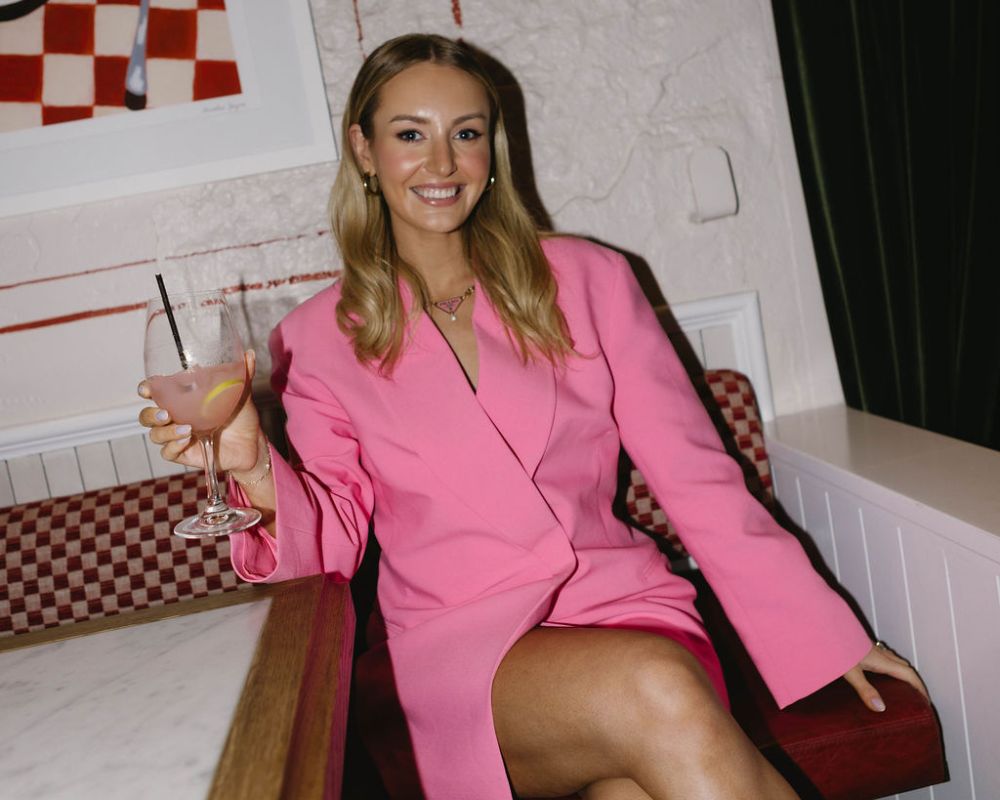
From viral acne brand to TikTok-fuelled haircare empire, the Co-founder of The Breakout Hack and Bouf is building beauty brands that don’t just sell – they spread.
Rachael Wilde doesn’t build brands quietly.
She builds them in public – on TikTok, in comment sections, and sometimes in the middle of internet chaos. From turning tbh Skincare into a cult acne brand to scaling The Breakout Hack globally and launching Bouf Haircare into viral sell-outs, Wilde has mastered the art of community-first growth. Even when a throwaway office video spirals into a misogynistic pile-on, she doesn’t flinch – she doubles down.
Because in Wilde’s world, attention isn’t the goal. Connection is.
You first built tbh Skincare into a viral acne brand before rebranding to The Breakout Hack. What prompted that shift – and what did it teach you about building for Gen Z?
The rebrand was actually driven by trademark issues as we expanded into the US and UK. We had to decide whether to keep “tbh Skincare” in some markets and launch under a different name elsewhere, but that would have fragmented our brand equity.
So we did the work—we partnered with a market research company and even asked our community directly on social media what they thought about “The Breakout Hack” versus “tbh.” That process reinforced just how important our audience is in shaping the brand.
Ultimately, while the name changed, everything else stayed the same: the formulas, the tone, the mission. What we learned is that your community isn’t just along for the ride—they’re part of the decision-making.
@boufhaircare Welcome to Bouf World! Made for the thin-haired, the stress heads, the new mums, the lock-lovers, and the boys who promise they’re only googling Turkey for the food. @indyclinton is first in line to show that with Bouf, your hair routine is fun again, and thanks to all those new thick and glossy strands you can let your hair match you mood. Not the other way around.
♬ original sound – boufhaircare
After that, you co-founded Bouf Haircare with a bold launch strategy. What did you take from your first brand – and what did you do differently?
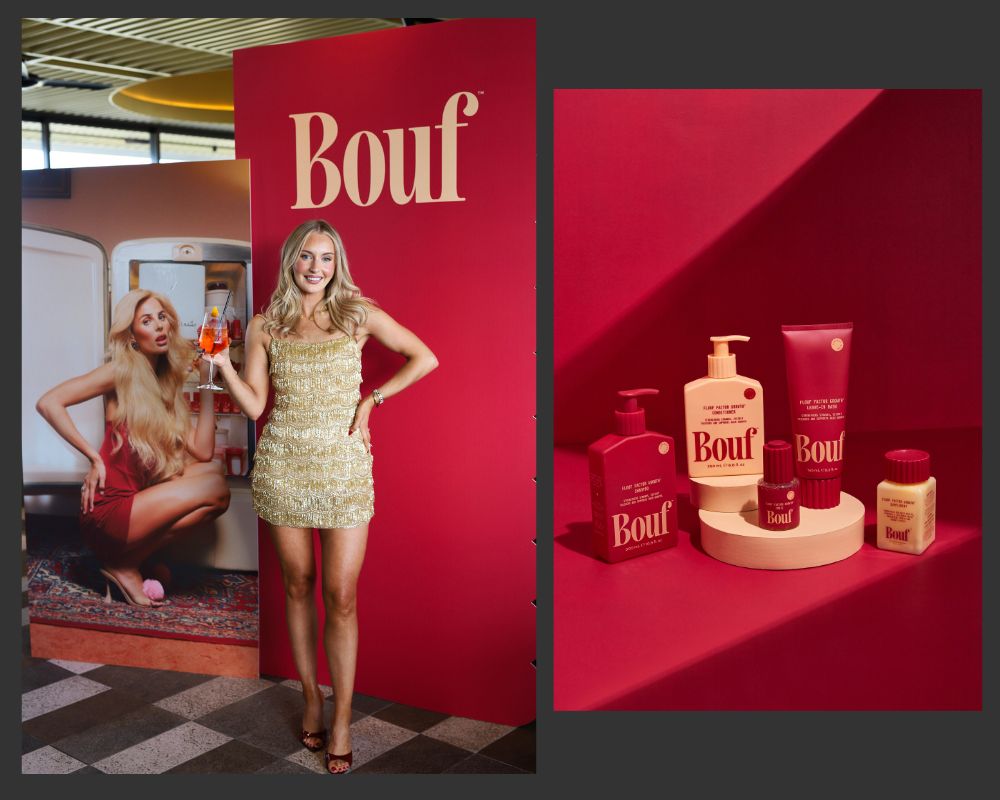
One of the biggest lessons was clarity: knowing exactly what problem you’re solving and who you’re solving it for. With Bouf, we led with a hero product—the Growth Tonic—that’s scientifically backed but easy to understand.
We also wanted to shift the tone around hair loss. Instead of being overly clinical, we built a brand that felt fun, relatable, and approachable.
Where we were especially intentional was partnerships. Every ambassador genuinely aligned with our values—and had actually tried the product. That authenticity matters.
But the real growth driver? Results. When people started seeing less shedding and stronger hair, they shared it themselves. That organic word-of-mouth is what scaled the brand.
@yahooaustralia Lawyer’s warning after #Aussies caught in social media storm 😳 videos via @tbh skincare @Rachael Wilde @roxannehart.lawyer #tbhskincare #yahoonews #yahooaustralia
♬ original sound – Yahoo Australia
Your “Gen Z boss in a mini” TikTok went globally viral – and into some unexpected corners of the internet. What was that moment like?
Completely unexpected—and it definitely ended up on the wrong side of the internet. But honestly, if that’s how people discovered the brand, I’ll take it.
It also highlighted the scrutiny young female founders face. Instead of retreating, we leaned in. Our community rallied around us, and that support meant everything.
If anything, it made us more committed to showing up unapologetically and owning our narrative.
That moment also brought a wave of misogynistic commentary from Andrew Tate adjacent communities. How did you lead your team through it?
Our priority was making sure the team felt safe and supported. We had open conversations about how to respond and stayed grounded in our values.
We didn’t let the negativity define us. Instead, we used it to reinforce what we stand for—authenticity, resilience, and backing each other.
Your brands lean heavily into culture and content. Is beauty marketing today more about storytelling than product?
Storytelling is definitely more important than ever. Consumers want to connect with brands in a real way, and platforms like TikTok allow us to create content that’s entertaining and relatable.
Influencer-led launches are a big part of that—they turn marketing into shared storytelling rather than just promotion.
But at the same time, product still matters. You can have the best story in the world, but if it doesn’t work, it won’t last. The magic is solving a real problem—and having fun while you do it.

You launched your first brand at 23. When did you realise this could become something bigger?
I think it started because I was the customer—I understood the problem firsthand.
One moment that stands out is when Abbie Chatfield mentioned the brand organically on radio. I filmed my reaction, posted it on TikTok, and didn’t check it until the next day—when orders started flooding in.
That was the moment I realised: this could be big.
Was there ever a point where you thought it might not work?
Definitely. We’ve had supply chain issues, cash flow pressure, and moments where demand outpaced what we could deliver.
What got us through every time was our customers. Seeing real people get real results reminded us why we started.
That—and owning mistakes, staying close to feedback, and just being resilient.
@rachhwilde The founder journey makes no sense until one day it suddenly does. If I hadn’t quit my job at 23, Bouf wouldn’t exist which is just crazy to think about. It’s the last few days of voting so please get behind @boufhaircare and the team 🥺 I’m so proud of them and of us!!! #tiktokawards #voting #founderstory #boufhaircare
♬ growth – Gede Yudis
You’ve experienced both the highs and chaos of going viral. What’s been the most surreal moment?
There have been a few. Watching Bouf sell out purely from people documenting their results on TikTok—no paid spend—was surreal.
Then there are the extremes. Abbie Chatfield sharing the brand in the most genuine way—and on the flip side, waking up to our office TikTok caught in an Andrew Tate meme cycle, with tens of millions of views and Elon Musk in the replies.
The internet is chaotic. You can’t predict it—you just have to stay grounded enough to ride it.
If you had to launch a brand tomorrow with no funding – just your phone – what would you do first?
First, I’d build in public. Go live constantly, show behind-the-scenes, keep it raw. People buy from brands they trust.
Second, I’d find my first ten passionate customers and turn them into ambassadors. Real people sharing real results is what drives growth.
Third, I’d engage with everything—every comment, every DM. Community isn’t built by broadcasting, it’s built by showing up.
The formula is simple: build in public, and let your community sell it for you.