

Breaking into the fashion industry has long carried a reputation for being both exciting and elusive.
For many aspiring professionals, knowing where to start and what actually makes a candidate stand out can feel unclear. Beyond a passion for fashion, employers are increasingly looking for candidates who combine industry awareness with practical experience, adaptability and a clear sense of direction.
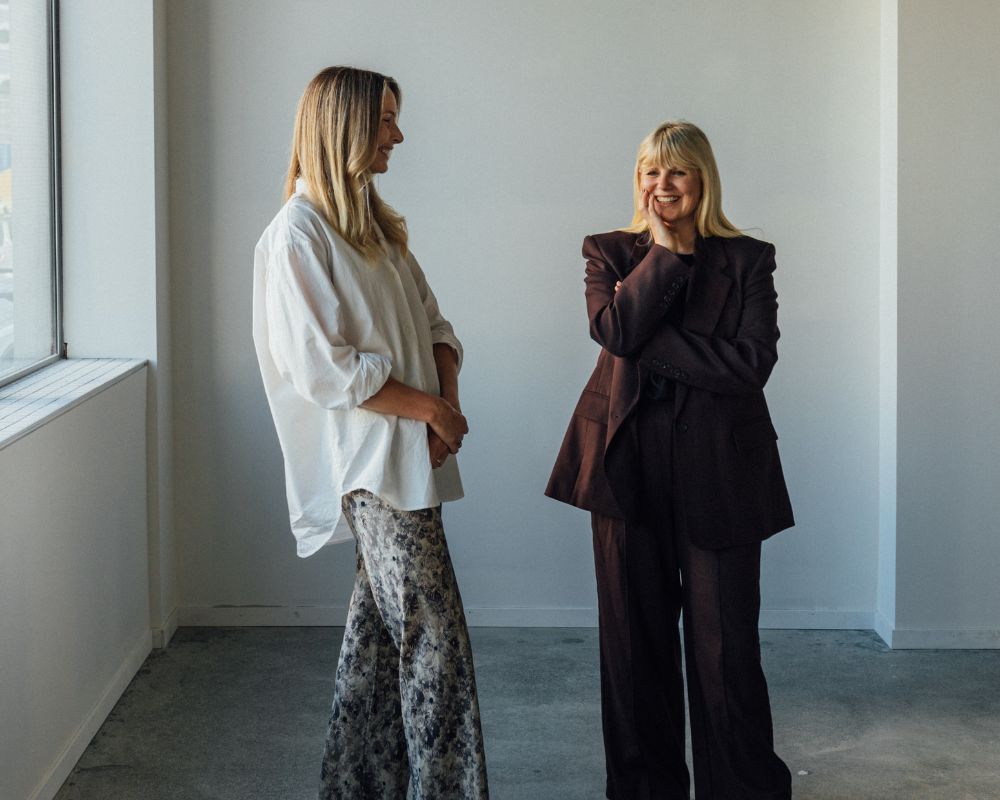
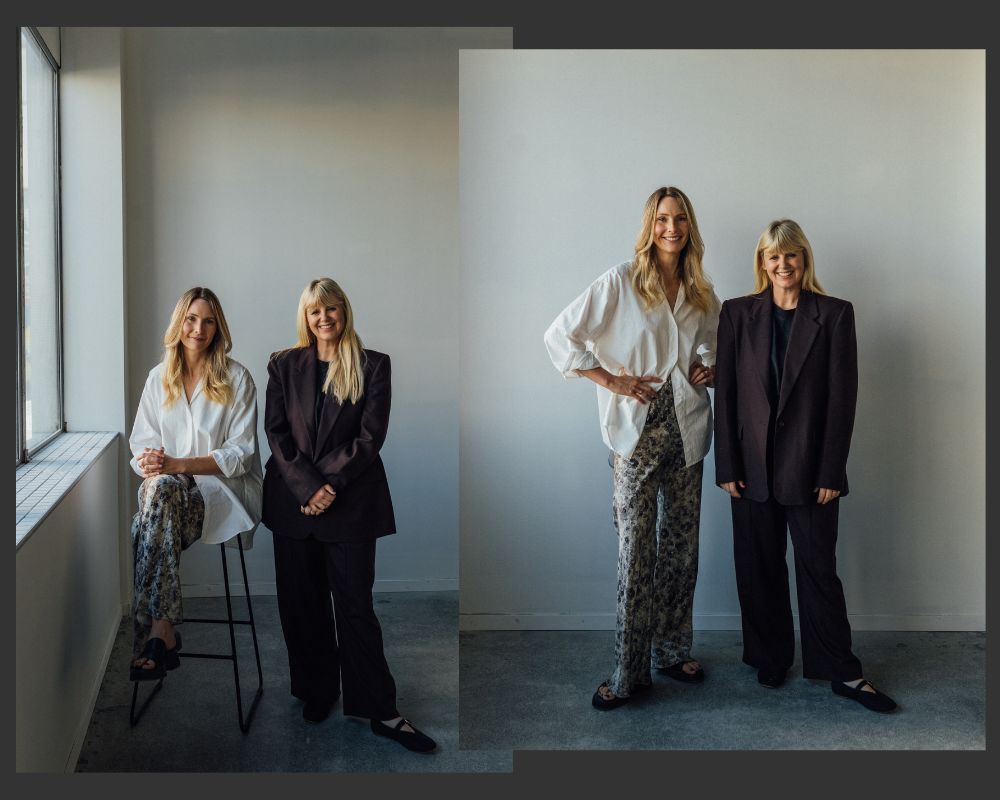
To help us break down the process, we spoke with two people who sit at the heart of fashion hiring: Rachel Smart, Founder and CEO of Frame HR, and Bindy Williams-Lough, Recruitment Consultant at Frame HR. Working closely with brands across the New Zealand fashion sector, they have a unique perspective on what employers are really looking for. From crafting a strong CV and building transferable skills to navigating career pivots and the power of networking.
In this conversation, they share practical advice for graduates, career changers and industry professionals alike on how to position themselves for success in fashion today.
~
FNZ: Fashion is an industry many people want to break into, but it can feel notoriously hard to access. From your perspective as recruiters, what qualities or experiences tend to make a candidate stand out from the crowd?
RACH: A genuine love of fashion that expands beyond work. Someone who lives and breathes the latest trends, or knows when and where all the sample sales are definitely demonstrates a passion for the industry. For graduates, gaining hands-on experience is also key. Internships or volunteering at events such as New Zealand Fashion Week are great ways to build exposure, understand how the industry operates, and develop valuable connections. It can also give you a real advantage over candidates who haven’t taken those extra steps.
FNZ: Let’s talk CVs. What are the biggest mistakes you see when people apply for roles in fashion, and what simple changes can instantly make a CV stronger?
BINDY: The biggest mistake we see is a CV that is simply too long and lists everything someone has ever done. In recruitment, both we and our clients often review a large number of applications, so clarity and relevance matter. If a CV runs to five pages, it becomes very difficult to quickly see the important information. We recommend listing your most recent, and relevant roles in detail and then summarise your earlier experience in a concise way.
Another common issue is the order of experience. Your most recent role should always appear first. Employers want to quickly understand where you are currently working, what level you’re operating at, and which brands or businesses you’ve most recently been involved with.
Something else candidates sometimes overlook is consistency between LinkedIn and their CV. We will always cross-check the two. If titles, dates or company names don’t line up, it immediately raises questions. Keeping both aligned helps build trust and makes the recruitment process much smoother.
Finally, presentation still matters. For creative or marketing roles consider the design/ aesthetic, while a modern Word template exported as a clear PDF is perfectly suitable for most positions. A well-structured CV that clearly highlights brands, tenure and achievements will always stand out.
FNZ: For people trying to break into fashion with little direct experience, what’s the best way to position themselves? Are there particular transferable skills or experiences that employers respond well to?
RACH: For someone looking to pivot into fashion later in their career, it’s important to be realistic about the transition. Like many career changes, it may mean starting at a more junior level or accepting a lower salary initially. However, that step back can be valuable in learning the nuances of the industry and building the experience needed to progress again.
Never underestimate the value of fashion retail experience. Working in retail management provides insight into many aspects of a fashion business, including product knowledge, customer service, understanding what sells and why, product presentation, stock management, wages and cost control, and people leadership.
It also gives you direct exposure to customer behaviour, which is incredibly valuable for any fashion brand. Because strong store managers play such a crucial role in representing and driving a brand’s success, retail management is often seen as an excellent pathway into the wider fashion industry.
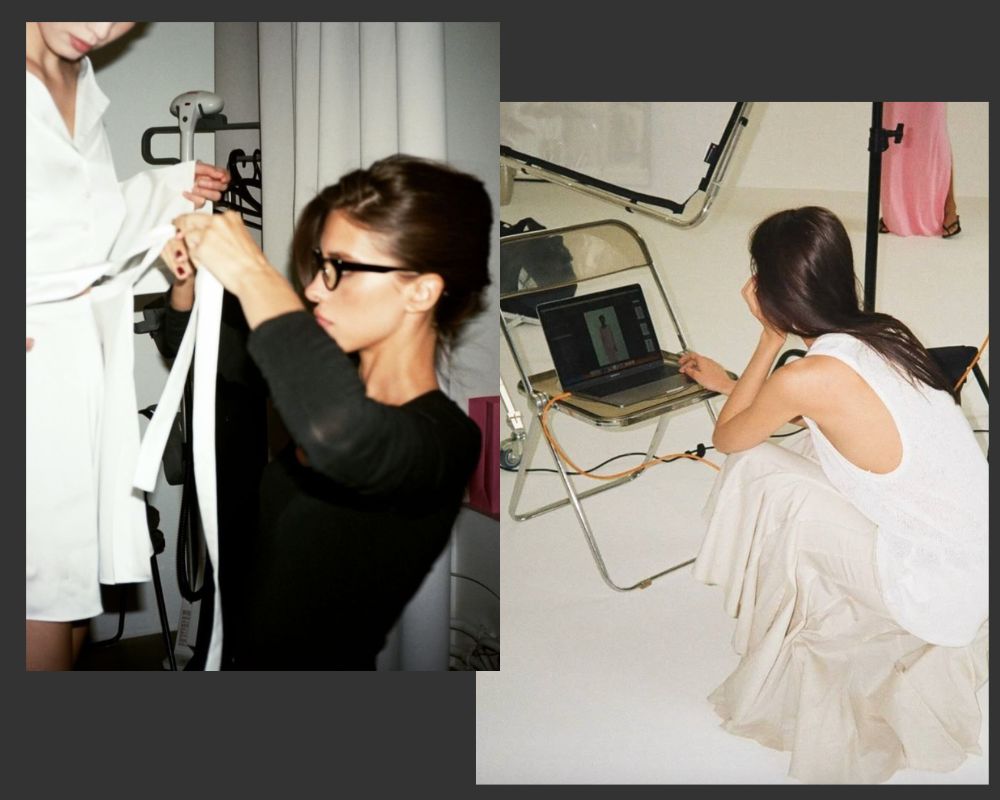
FNZ: Fashion careers often involve people moving between roles – retail to head office, editorial to PR, design to buying. For candidates looking to pivot within the industry, what helps convince employers they’re ready for the shift?
BINDY: The key is showing how your existing skills translate into the role you want to move into.
Fashion is actually quite fluid as an industry. In New Zealand we regularly see people move from retail leadership into head office roles, or from marketing into brand or eCommerce positions. The transition can absolutely work, but employers need to clearly see the transferable skills and experience between what you’ve done and what you want to do next.
When updating your resume, focus on the skills that support the direction you’re heading.
It’s also helpful to show initiative. Short courses, side projects, freelance work or even collaborating with smaller brands can demonstrate genuine interest in the new area.
In our experience recruiting across the NZ fashion and retail sector, our clients are open to these shifts when candidates clearly show how their experience adds value in a new space.
FNZ: For someone returning to the workforce after time away – or re-entering the industry after a break – what’s the best way to approach applications and rebuild momentum?
RACH: It’s important to recognise that industries continue to evolve, so after a career break you shouldn’t necessarily expect to return at exactly the same level you left. Instead, focus on roles that offer strong progression opportunities and allow you to rebuild your experience and confidence.
The same mindset should apply to salary expectations. After a longer break, it’s often necessary to refresh your skills and re-establish yourself in the market. Positioning yourself at a competitive salary level can make you a stronger candidate when compared with applicants who have more recent experience, and it creates a solid foundation to progress again over time.
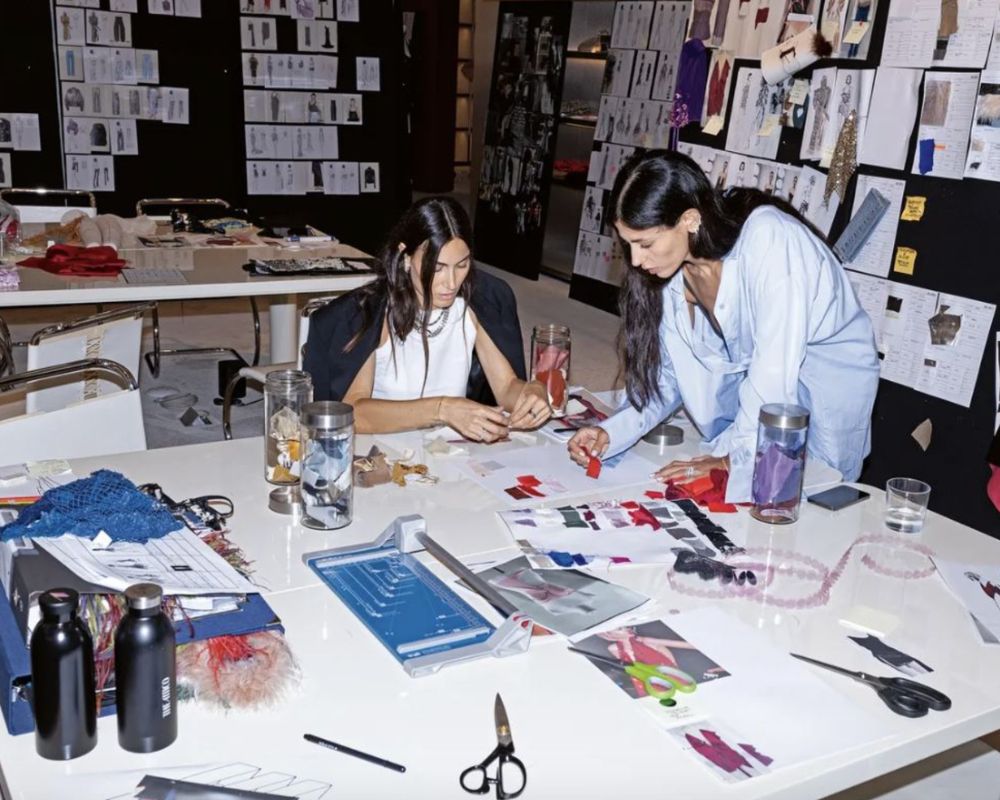
FNZ: We often hear that “who you know” matters in fashion. How important is networking today, and what are some practical ways emerging professionals can build genuine industry connections?
BINDY: Networking is still incredibly important in fashion, especially in a market the size of New Zealand where the industry is relatively tight-knit.
Many opportunities are not advertised. We’re often speaking to brands about roles well before they go to market, and having strong relationships across the industry means we can connect the right people early in the process.
For people just starting their careers, the best approach is to be proactive and visible. Attend industry events, brand launches, fashion talks, or retail networking evenings whenever possible. You never know who you might meet.
LinkedIn is also a powerful tool if it’s used well. Keep your profile updated with your current role, projects and achievements. You can confidentially enable the “open to work” setting so we can see you’re open to opportunities without broadcasting it publicly.
Follow Frame HR on Instagram
Powered by Frame HR