




For a few years there, Auckland’s CBD seemed to have lost its pulse. COVID emptied the offices and silenced the streets. Retailers struggled, hospitality operators fought for survival and a seemingly endless programme of roadworks and construction made navigating the central city an exercise in patience.
Queen Street itself was being fundamentally reimagined: fewer cars, less through-traffic, wider pedestrian spaces, cycleways and a greater emphasis on people rather than vehicles. Then there was the City Rail Link: one of the most significant infrastructure projects in Auckland’s history, but also a source of years of disruption for businesses living alongside its construction. Now, finally, the cones are disappearing. The trains are running, workers are returning, and Auckland’s retail heart is beating again.
Deputy Mayor Desley Simpson compares the experience to a body recovering from a long illness.
“Through Covid, roadworks, urban development limbo – the CBD is like a body that has been sick,” she says. “It hasn’t been functioning as healthily as we know it can.” But, she says, the work of local businesses, artists and programmers, the development of cultural precincts and, crucially, the opening of the CRL have helped restore its health.
“Auckland central is growing out of adolescence, ready to make the most of its limitless potential.” The seeds of that recovery were arguably planted with Commercial Bay, which opened amid the uncertainty of 2020 and brought a sophisticated new mix of fashion, food and hospitality to downtown Auckland. Since then, momentum has steadily gathered.
International names including Van Cleef & Arpels, Graff and Bvlgari have established a presence downtown, with Cartier among the latest arrivals. New Balance and Noel Leeming have added further weight to Queen Street, while a Rolex store is soon to open.
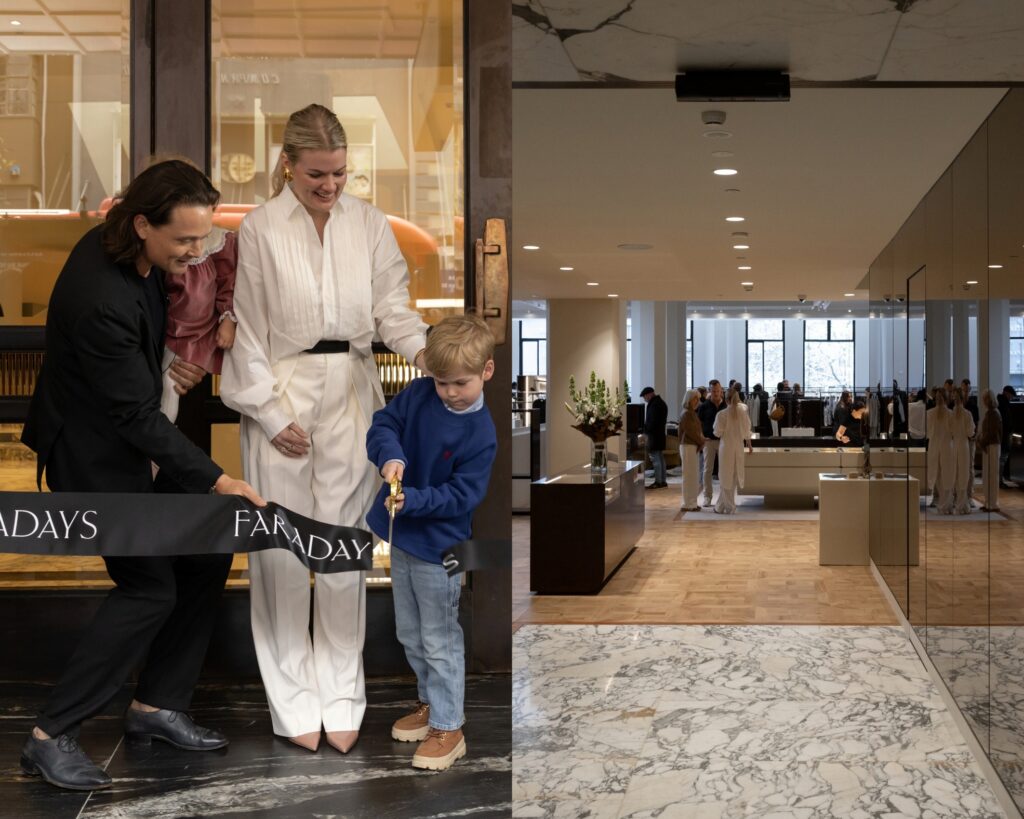
And now there is Faradays.
The three-level department store at 131 Queen Street feels particularly symbolic following the closure of Smith & Caughey’s, an institution that for generations seemed an almost permanent fixture of Auckland life.
“I was very sad when Smith & Caughey’s closed,” says Simpson. “It was a true icon, one of New Zealand’s oldest and most loved department stores.” She sees its successor of sorts in more optimistic terms: “I see Faradays as a phoenix, reinvigorating the elegant retail experience.” With some 220 brands spanning fashion, beauty, wellness, technology, vintage, jewellery, art, books, childrenswear, home and lifestyle, Faradays also gives Queen Street something it has been missing: scale.
Its position is important too. Simpson describes the store as a gateway between the premium international retail of downtown and the increasingly energetic midtown precinct — effectively helping stitch together two parts of the city.
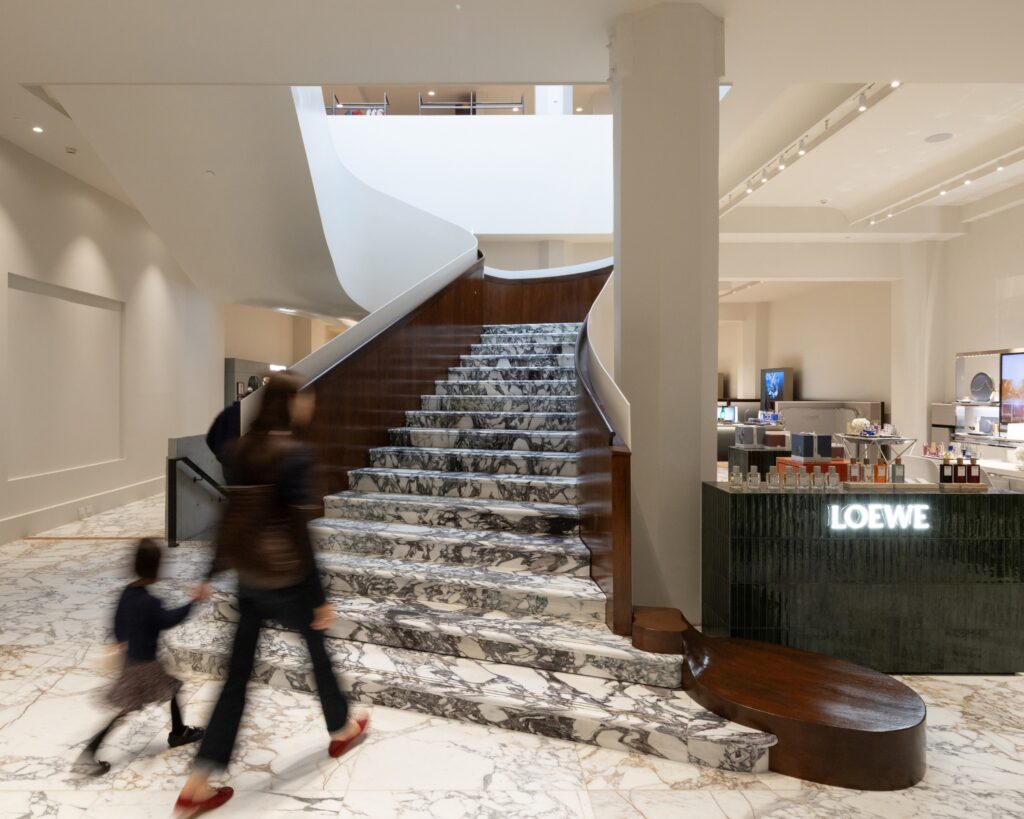
Then there is Lottie’s. Located on Faradays’ top floor, the all-day restaurant from Josh and Helen Emett takes its name from Charlotte Milne, one of the founding sisters behind Milne & Choyce, which once occupied the building. Its arrival feels like another vote of confidence in central Auckland from two hospitality operators who have already demonstrated the city can work.
Their restaurants Onslow and Gilt have both found success in the CBD, and the Emetts believe the city is “back”. Opening Lottie’s inside Faradays is perhaps the most tangible expression of that belief yet.
It also follows the great international department-store tradition: shopping as an experience rather than simply a transaction. Think Selfridges or Harrods in London, Bergdorf Goodman or Bloomingdale’s in New York, places where fashion, food, culture and people collide.
“Together with Faradays, Lottie’s will become a destination where people visit, not only to shop, but to spend time, connect and experience the very best of our city,” says Simpson. That may ultimately be the bigger story of Auckland’s recovery.
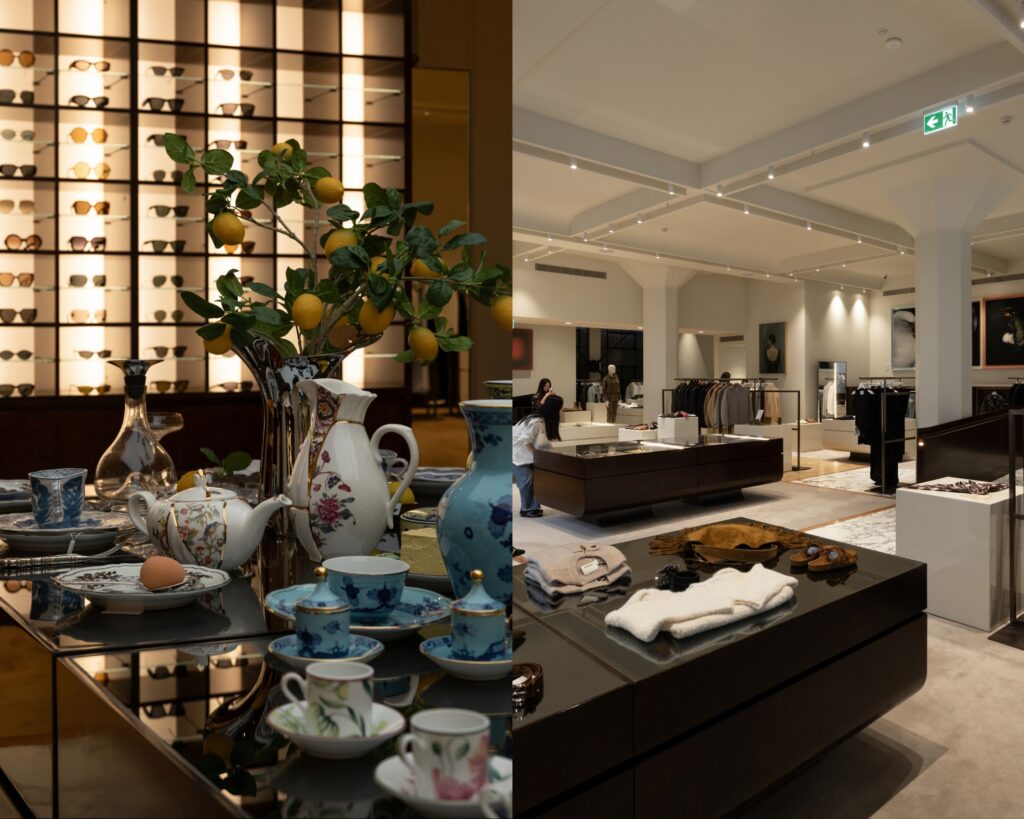
Fashion stores alone cannot save a city, but alongside restaurants, galleries, hotels, offices, bars and cultural venues, they give people a reason to return. As Simpson puts it, fashion contributes to the “identity, energy, economic activity and visual character” of a city. After years of disruption, Auckland appears to be rediscovering all four.
Faradays may be the newest arrival on Queen Street, but its significance extends well beyond its front doors. It represents investment, confidence and, perhaps most importantly, belief in the city centre again.
The phoenix analogy feels apt. Auckland’s CBD has been through the fire. Now, finally, it looks like it’s rising from the ashes.