


Tucked above Wellington’s historic St James Theatre, the Royal New Zealand Ballet’s headquarters is a place where performance begins long before the curtain rises.
While audiences experience the final, polished production below, upstairs is where the detail, discipline, and craft quietly take shape – through fittings, rehearsals, and the meticulous work of the costume department.
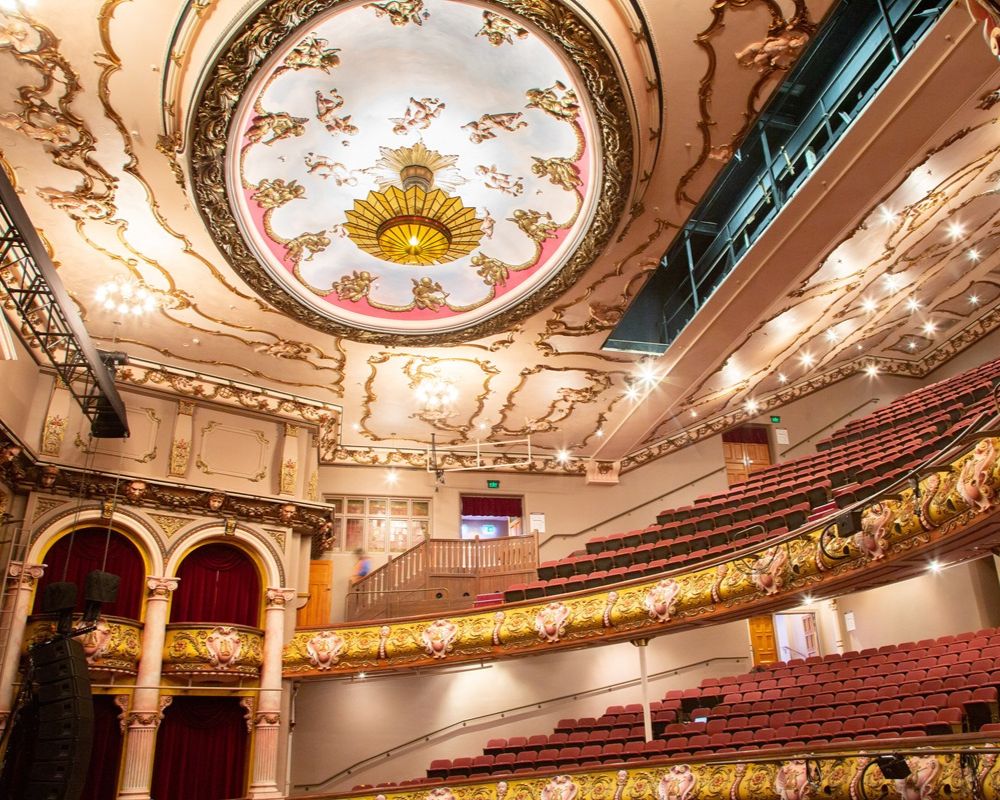
The St James Theatre itself is central to this story. Opened in 1912, it remains one of New Zealand’s most significant heritage theatres, known for its grand Edwardian design and long-standing role in the country’s performing arts scene. Today, it continues to host major productions, with the RNZB occupying the space above – an arrangement that keeps creation and performance closely connected.
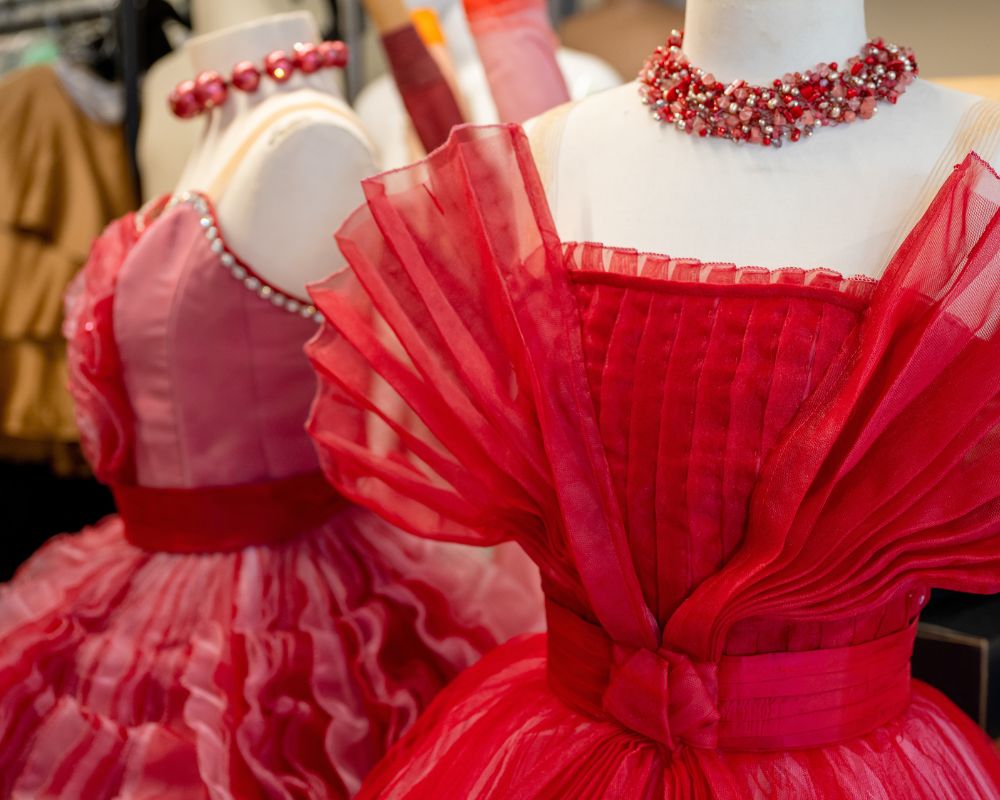
Inside the costume department, the atmosphere is structured and deliberate. Garments are carefully organised, works-in-progress sit alongside finished pieces, and every element has a defined place. It’s a space built on precision, where aesthetic decisions are inseparable from technical ones.
Senior Costume Cutter Hank Cubitt is part of the team responsible for bringing each production to life. Speaking about the RNZB’s current revival of Sleeping Beauty, he outlines a process that begins with design sketches and ends with fully realised garments on stage.
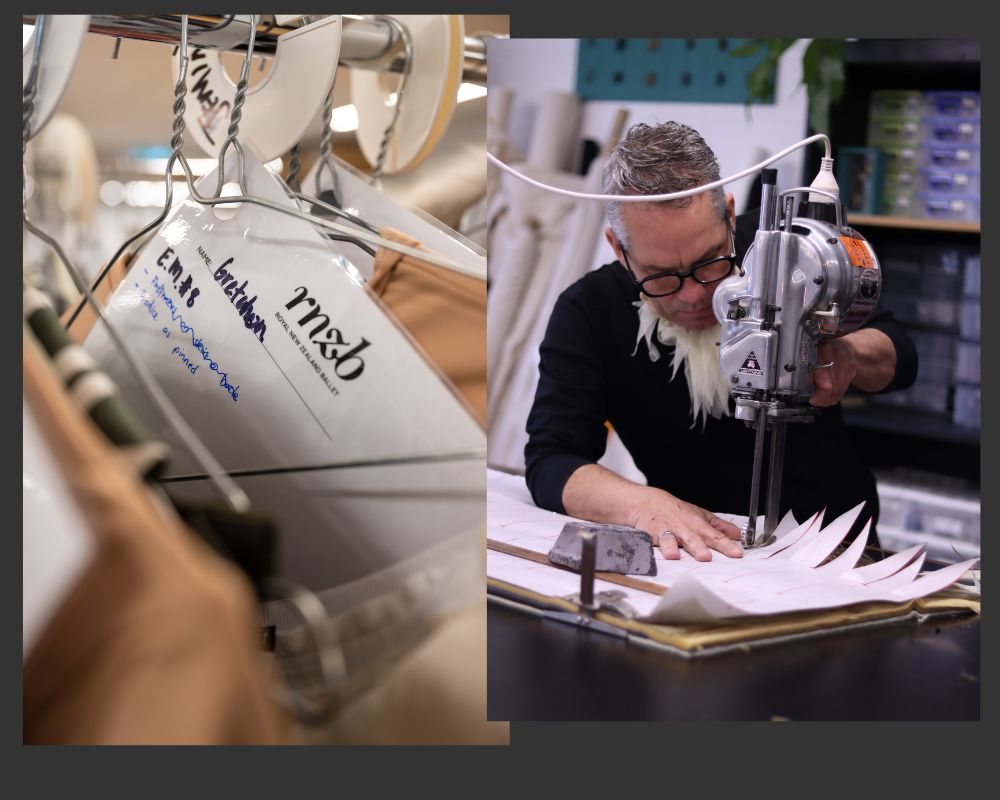
“We start with the drawings,” he explains. “The designer gives us hand-drawn sketches of every character, and from there we source the fabrics and build the costumes.”
For Sleeping Beauty, originally staged in 2011, those fabrics were sourced both locally and internationally. At the time, the team travelled to Melbourne to find the heavy, textured materials needed to achieve the production’s rich visual style – particularly upholstery fabrics that would read as lush and dimensional under stage lighting.
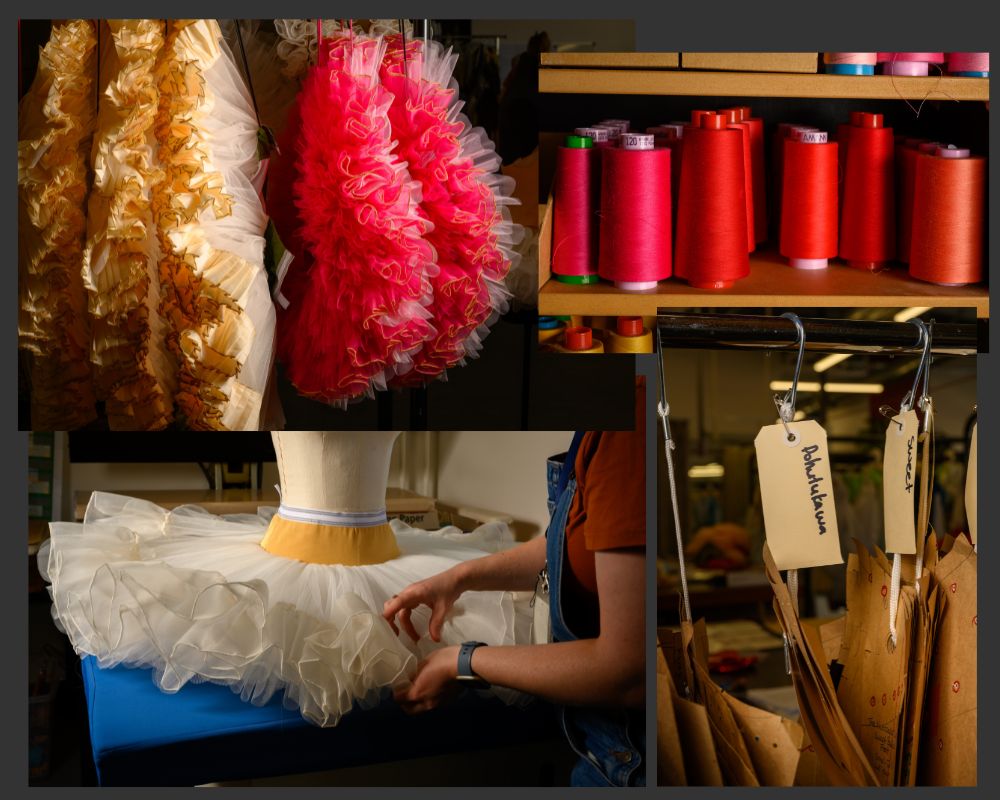
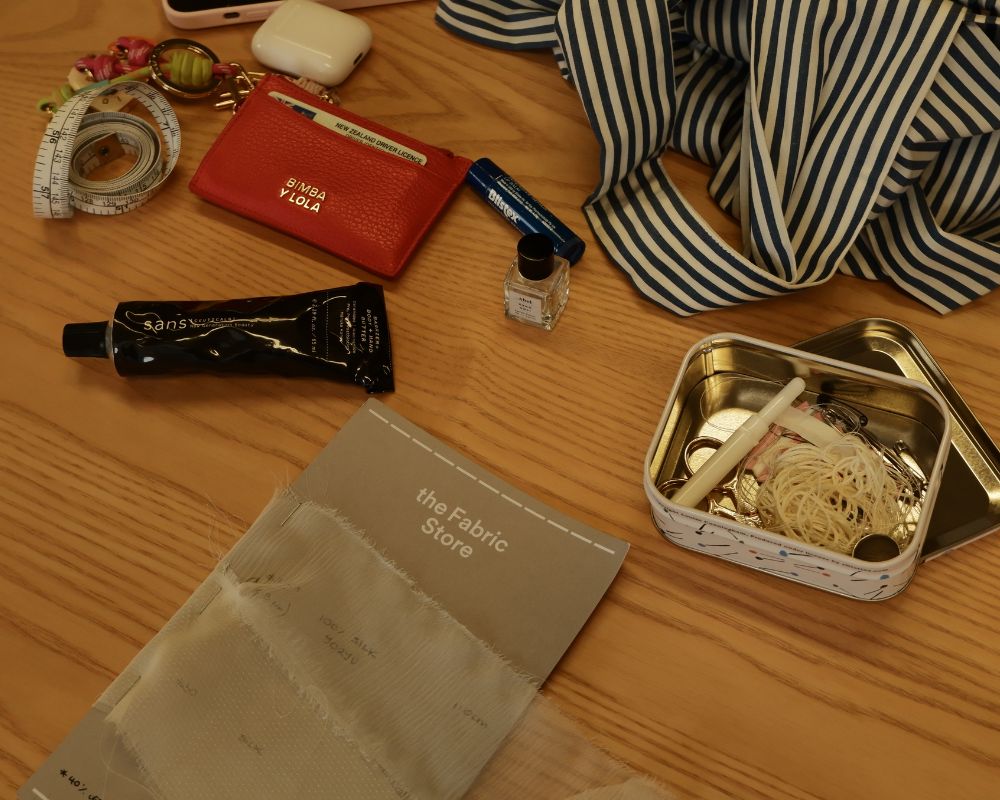
From there, the transformation is gradual but exacting. Fabric swatches become patterns; patterns become garments. Embroidery, structure, and finishing details are added piece by piece until the costume matches the designer’s original vision.
The result is visually striking – but also highly engineered. Ballet costumes must withstand repeated performances while allowing complete freedom of movement, and much of that functionality is built into the garment in ways the audience never sees.
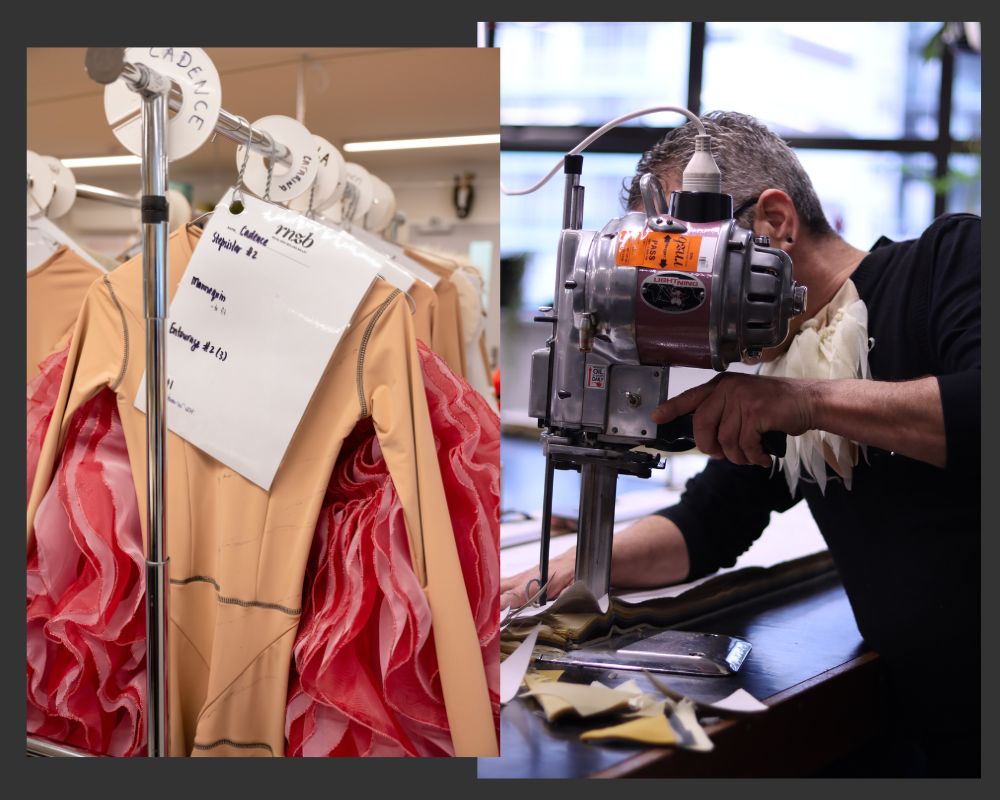
“We use techniques like stretch bodices and added gussets in the sleeves,” Hank says. “That gives the dancers full range of motion – arms up, down, forward, back – without restriction.”
These decisions are not just about movement, but longevity. Costumes are designed to be maintained efficiently over time. Elements like sleeves can be separated and cleaned more frequently than the main body of the garment, helping preserve more delicate fabrics.
This balance between durability and appearance becomes particularly important when productions return. Sleeping Beauty, having toured internationally, required refurbishment when it came back to New Zealand. Some structural elements—like the flexibility in the sleeves – had been altered, and the team is now restoring those original design features to ensure the costumes function as intended.
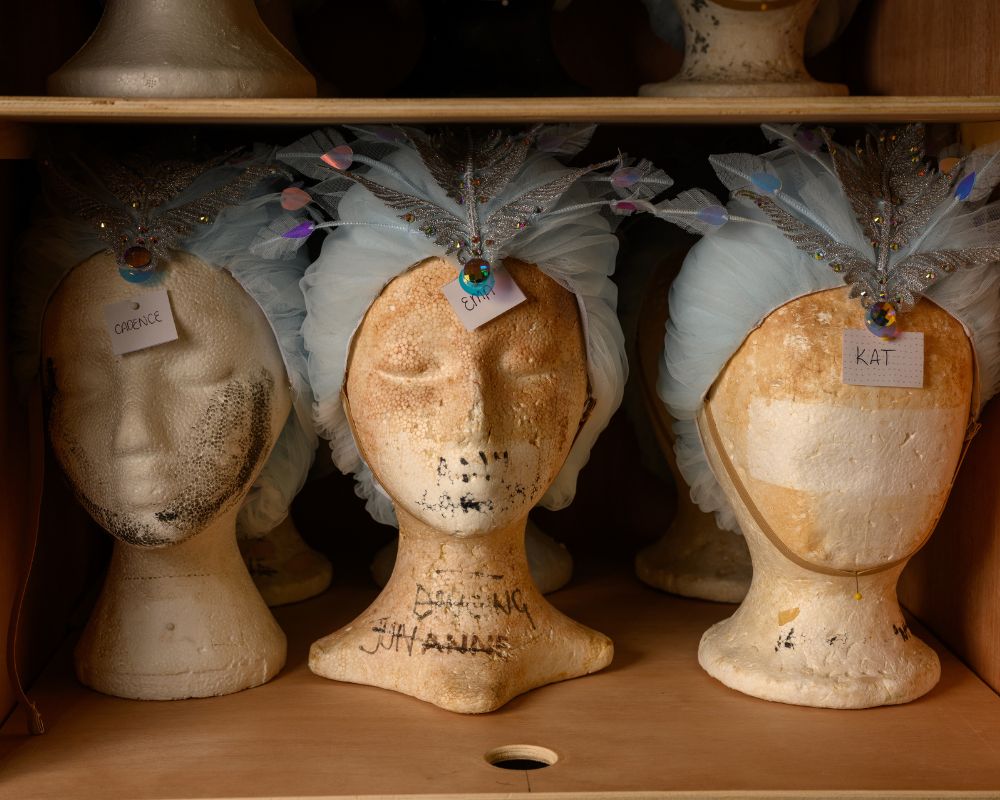
Looking back across his time with the company, Hank points to Romeo and Juliet as a standout production. Designed by Wellington-based Jim Edgerton, the work was defined by its level of detail and historical accuracy.
“He did a huge amount of research,” Hank says. “Everything was considered – the hats, the boots, all of it. We worked closely with him to bring that vision through.”
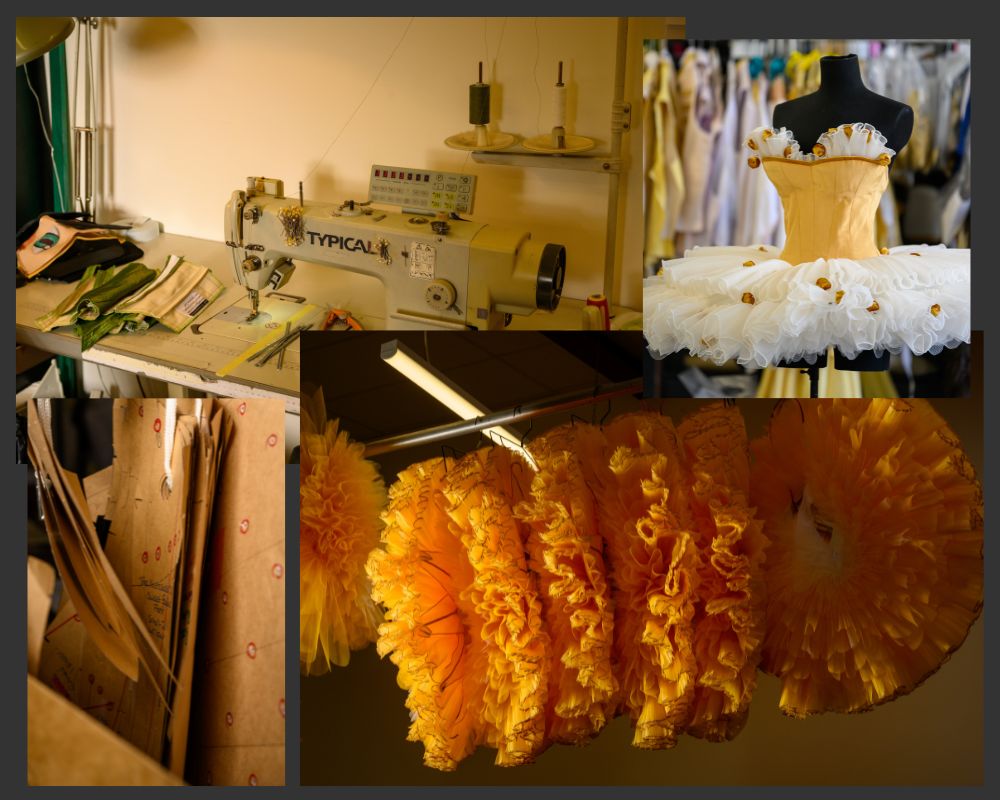
Unlike many stage productions, where visual impact is prioritised from a distance, Edgerton approached the designs with a film-like attention to detail. Every element was carefully placed, contributing to a cohesive and highly resolved final result.
This kind of collaboration reflects the broader evolution of the Royal New Zealand Ballet. Since its founding in 1953, the company has grown into a nationally and internationally recognised institution, known for both classical repertoire and contemporary work. Its visual identity has developed alongside that growth – grounded in tradition, but continually adapting.
Inside the costume department, that balance is evident. Archival pieces are revisited and reworked, while new productions introduce different materials, techniques, and expectations. The work is iterative, technical, and often unseen – but essential.
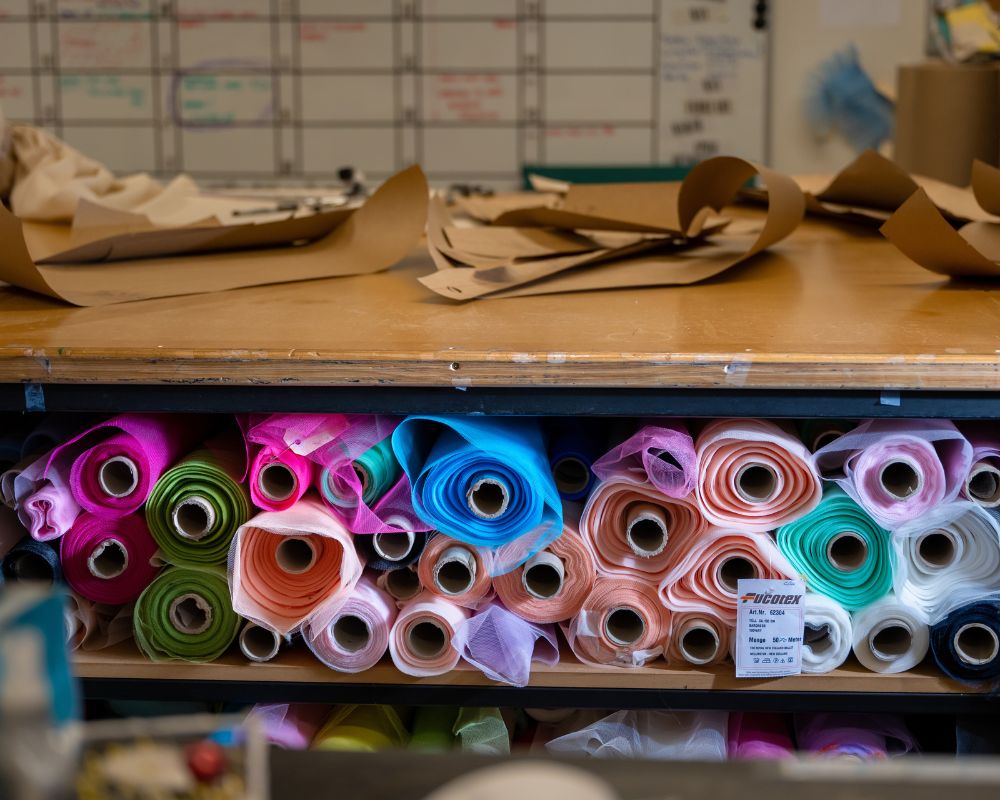
Above the stage, the process is ongoing. Garments are adjusted, repaired, and refined. Downstairs, they move under lights, carrying the narrative forward.
The connection between the two is constant – quietly linking the precision of the workroom with the impact of the performance.
Images supplied