

Today – Monday March 30 – the Australian Fashion Week 2026 schedule dropped. Normally, that would mean a flurry of calendar invites, group chats lighting up, and the annual question: how many shows can you physically sprint between in a day?
But this year feels different. Less frenzy, more… recalibration. Because if 2025 was the year Australian Fashion Week hit reset, 2026 is shaping up to be the year we find out whether the new model actually works.
The 2026 AFW schedule consists of just 20 designers, so clearly this is a quality over quantity exercise. There are big names such as Carla Zampatti, Farage, Gary Bigeni, Hansen & Gretel, Nagnata and Bianca Spender, who will no doubt deliver show-stopping solo shows on a grand scale, alongside smaller brands like Alberta Bucciarelli, Gloria Chol, KingKing Creative and Sarrita King x EDITION who will all line up one after another as part of the Next Generation series presented by DHL.
For nearly 20 years, Australian Fashion Week ran under IMG, the global events giant that essentially gave Sydney its fashion week glow-up. Think Carriageworks packed with international buyers, editors, influencers doing outfit changes in the bathrooms, and enough branded activations to keep PR teams very, very happy. And it worked. IMG helped launch Australian fashion onto the global stage. Designers like Zimmermann and Dion Lee didn’t just show locally, they exported. Buyers came. Orders were written. Careers were forged.
But big events like this are expensive to run. They rely heavily on sponsorship, and when key partners (notably Afterpay) stepped away, the economics got shaky. Add in a tougher retail climate, rising production costs, and a post-Covid industry still figuring itself out, and IMG made the call to step back in 2024, which left the Australian fashion industry with a slightly terrifying question: now what?
The answer came from the Australian Fashion Council (AFC), who stepped in with a new vision and a phrase that has since been repeated a lot: “by industry, for industry.”
AFC Chair Marianne Perkovic summed it up neatly: the industry should be “represented by those who know it best – our own community.” CEO Jaana Quaintance-James echoed that sentiment, positioning Fashion Week as something that should actually reflect the people working in it, not just the people photographing it. Because for years, fashion week hasn’t really been about the industry, it’s been about visibility, content & vibes. Now it’s being repositioned as infrastructure.
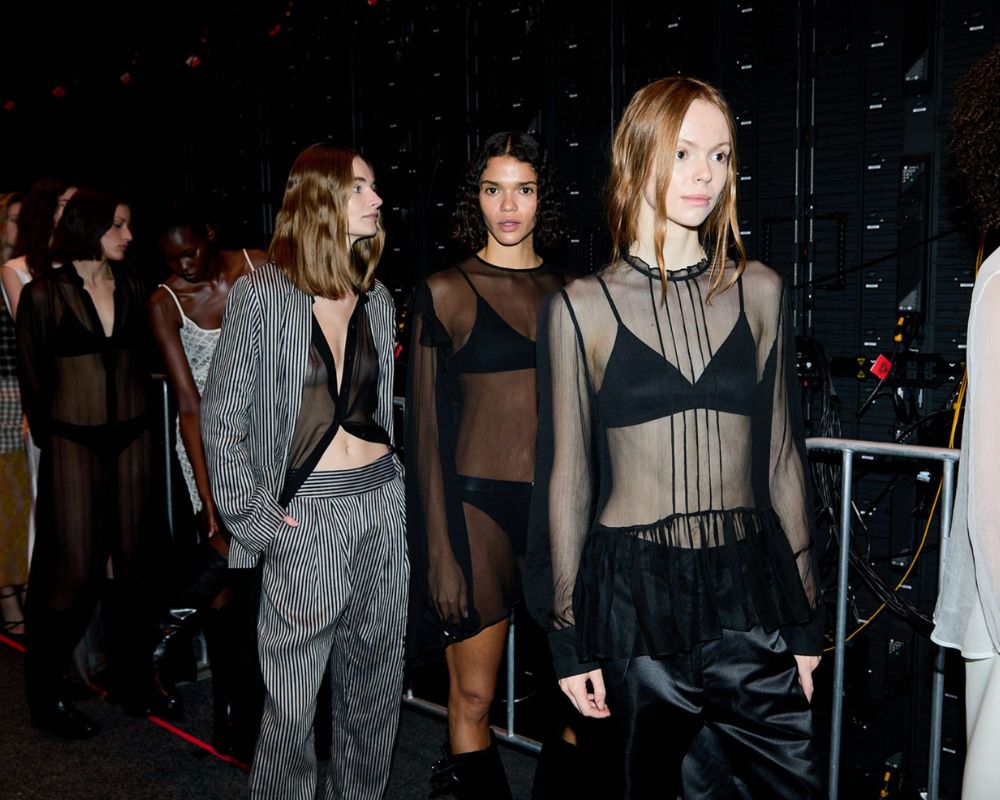
If you went to AFW 2025, you felt it straight away. The whole event was shorter, tighter, less chaotic. Fewer “random influencer in a head-to-toe look they don’t quite understand” moments (though, don’t worry, not zero). There was a bigger focus on group shows, like The Frontier, which paired emerging designers with more established names. There were more conversations about buyers, showrooms, and actual business outcomes.
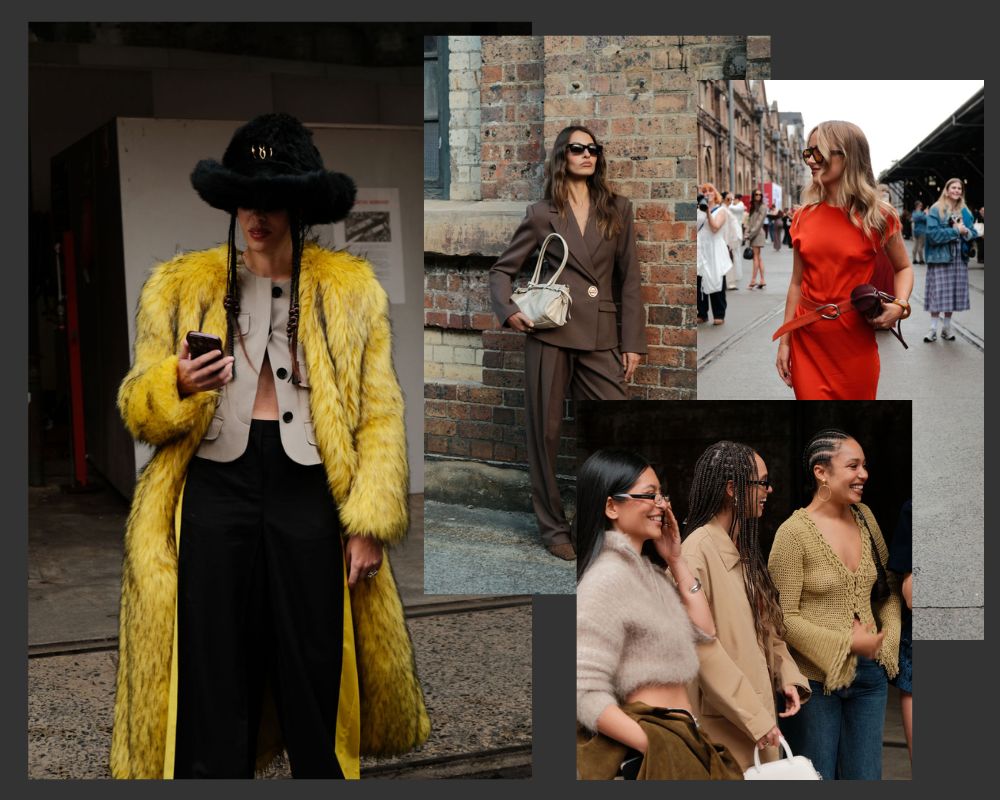
Jordan Gogos put it best: “Fashion constantly resets and this is another one of those moments.” Others were a bit more blunt. Isabelle Hellyer pointed out that when fashion week is run by an external company, “there’s a profit motive.” Which isn’t exactly controversial, but it does explain why the new model feels more… personal.
To understand why AFW is leaning back into buyers and trade, you have to rewind to Covid. When the world shut down, wholesale basically went out the window. Stores were closed, orders were cancelled, and brands had to figure out how to survive on their own. Enter: direct-to-consumer, Instagram drops, e-commerce everything. For a while, it worked, but fast forward to now, and things look a bit trickier.
Customer acquisition costs have gone up, online is crowded. Everyone’s competing for the same eyeballs, and consumers are spending more cautiously. So brands are doing something that would’ve felt slightly unfashionable a few years ago: going back to wholesale. Because wholesale, for all its flaws, offers scale, stability and someone else helping you sell your product.
And suddenly, fashion week – this slightly chaotic, expensive, high-stakes event – starts to make sense again. Not as a content factory, but as a place to actually do business.
And everywhere, there’s the same underlying question: who is this for now? Because while influencers bring attention, attention doesn’t always equal sales.
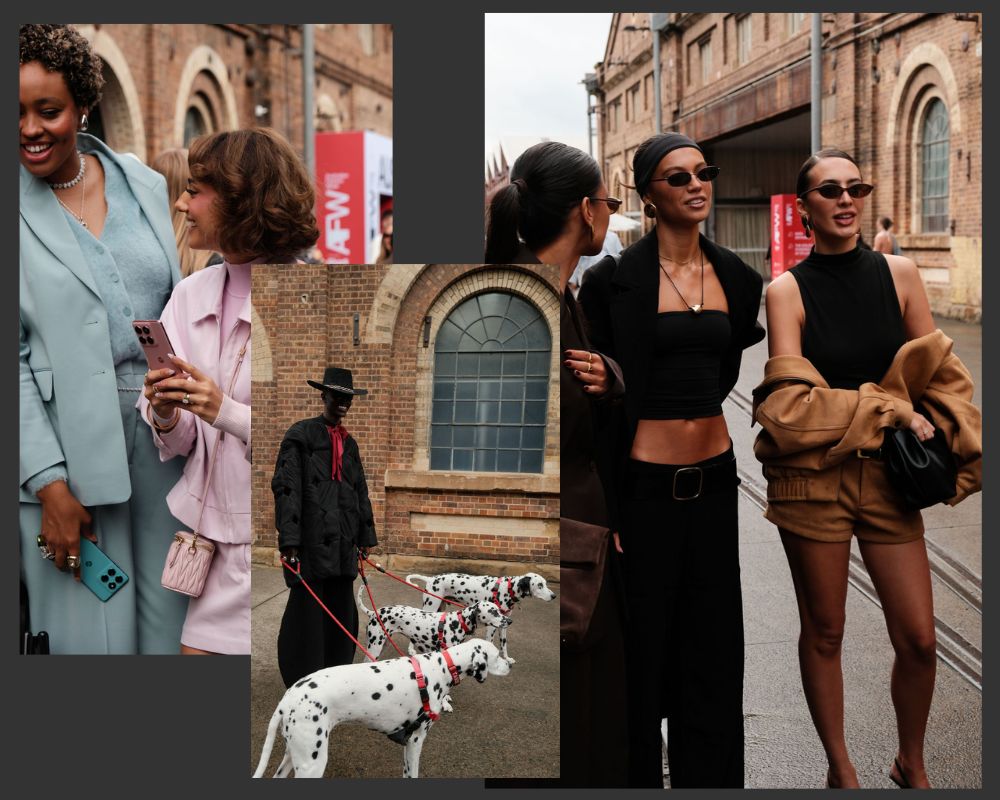
If 2025 was about proving that an industry-led model could exist, 2026 is about proving it can actually deliver. More buyers are expected. More emphasis on showrooms and export. More structure around how designers move from emerging to established. But in my opinion, there’s still a need for magic, for creativity and for those moments where you sit at a show and think, okay, this is why we’re here.
Designers like Amber Keating have spoken about the importance of physical shows for exactly that reason, because fashion needs to be experienced, not just scrolled past.
What’s happening with Australian Fashion Week is, essentially, a rebrand. Not in the marketing sense. In the purpose sense. It’s shifting from spectacle → system, hype → infrastructure, content → commerce, which might not sound as exciting on paper, but could be exactly what the industry needs.
Because at the end of the day, Fashion Week isn’t just about who wore what outside the venue (a new waterfront venue in 2026 for that matter). It’s about who gets to keep making clothes next year. And if this new model works, that might be the most important outcome of all.