
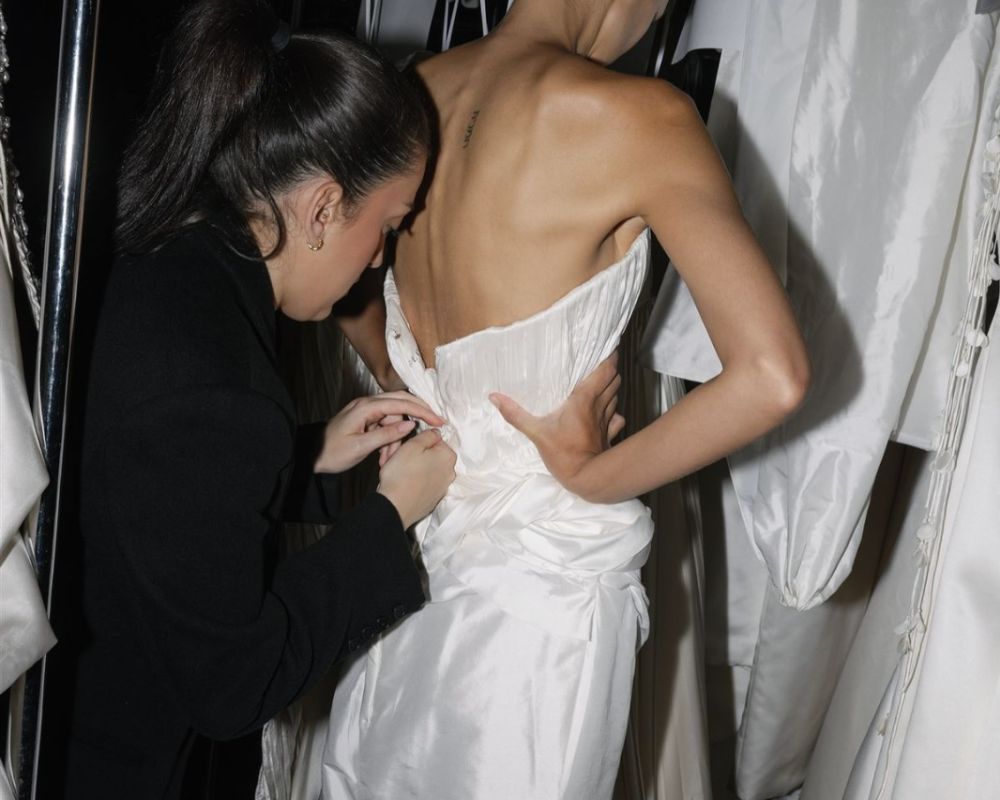
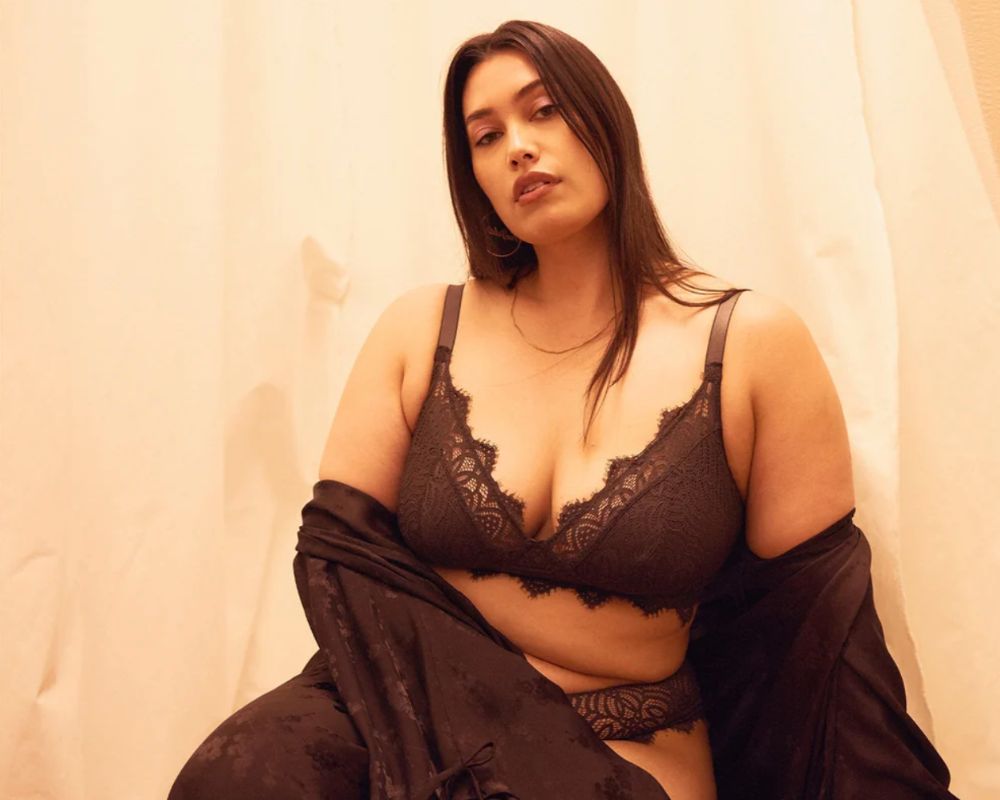



We get the skinny on what’s stopping Kiwi labels going beyond size 16.
Last month, New Zealand clothing label Augustine announced it would no longer be producing plus-size clothing. In a statement on Facebook, the brand’s founder, Kelly Coe, explained that extended-size stock was often ending up in outlet, which had become unsustainable for the business. Augustine had previously offered sizes up to 20 in some ranges, but has now pulled back to offering most styles from size 8 to size 16.
“We tried, oh boy did we try,” Coe shared in her Facebook post announcing the shift. “We had Stella Royal that catered to a size 22 for many years, then we extended Augustine sizes to a size 20. And do you know what, it was really hard.
“I know sometimes online it looks like the larger sizes have sold out but usually that’s because we only had a few to start with in that size. Also when we order 7-8 sizes instead of 5, our minimums to our factory double, creating way too much of one style. Our best selling sizes are 8-16 so as a business decision we have decided to only do these sizes.”
In New Zealand, plus-size fashion is generally considered to begin around a size 16 or 18, depending on the retailer or brand, and can extend well beyond that. Women who shopped Augustine’s plus-sized pieces have been vocal online about their disappointment, some expressing a desire to support New Zealand brands that continue to cater to a broader range of bodies.
“For many of us who have supported the brand over the years in sizes 18–20, this is genuinely upsetting and disappointing,” a customer responded on Coe’s social media post. “It’s not about expecting you to please everyone, but about the sadness of no longer feeling included after being loyal customers for so long. I have been trying hard to continue supporting NZ businesses, which makes this feel even harder.”

The pendulum swings back
It should come as no surprise to any fashion fan that the world has quietly shifted its focus back to the image of thinner, younger models, despite the heady years of cancel culture which forced many new and long-standing designers to re-think who they were serving. In 2017 it was articles like this one from The Cut that summed up the fashion zeitgeist, proclaiming that ‘Plus Size Fashion Can’t Be Ignored’, however The Guardian published this piece in October 2025 that highlighted fashion’s return to the old days where skinny reigned.
Aside from a fashion brand’s internal image compass that may have shifted back to tall, skinny and young, we wanted to understand why it was that so many brands still don’t push past size 16 or 18 and into curve territory. Surely it can’t be a vanity move? Surely not.
A closer look at the local landscape
Taking a deeper dive into some of New Zealand’s most popular fashion brands (the ones that fill the pages of most quarterly magazines and are included week-to-week in market pages and trend stories), we examined 20 women’s fashion labels and found that only one label – Ruby – offered clothing beyond size 18. Of the entire list we looked into, 30% of brands offered clothing as small as a size 4, while 50% started at a size 6. The remaining 20% started at a size 8, meaning petite customers also face exclusion from some of New Zealand’s most prominent brands.
At the larger end of the size range, 70% of the brands we researched stop at a size 16, with 20% stopping at size 18. Again Ruby was the only label that pushed beyond this limit, offering many styles right up to a size 24.
Producing larger sizes can also be more expensive. More fabric is required, fit development can be more complex, and minimum order quantities can put pressure on brands, particularly when certain sizes do not sell through strongly enough to recover costs. For brands trying to operate responsibly, the added challenge of sourcing better materials and working with ethical supply chains can make the equation even harder.
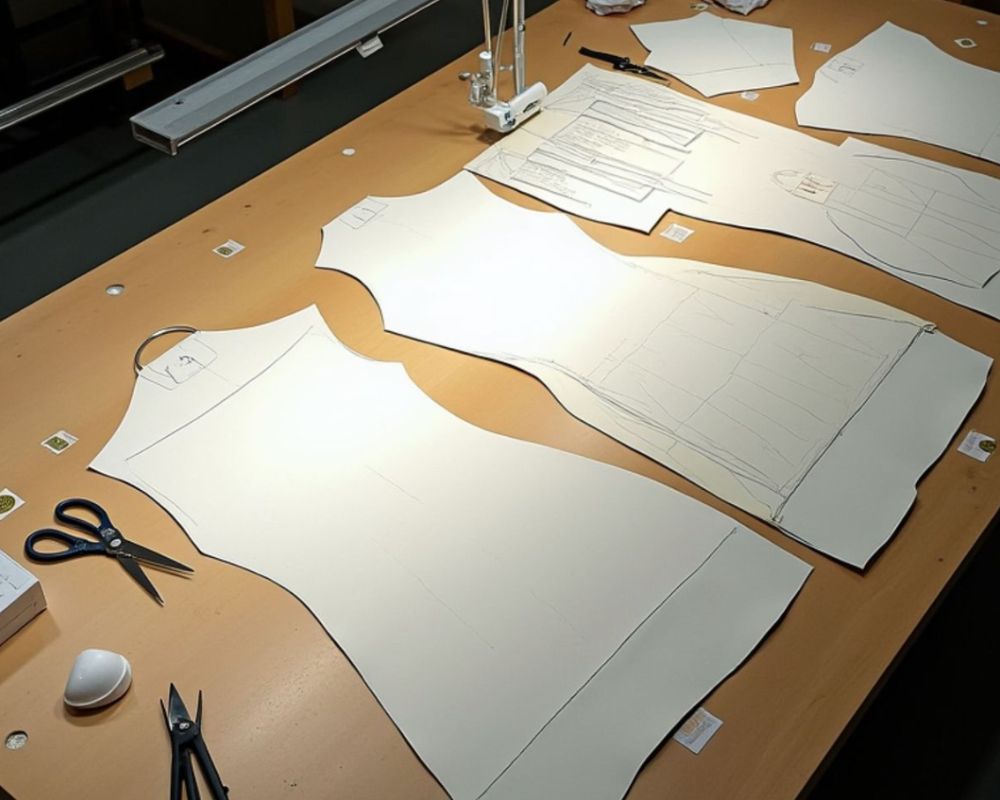
Without using it as an excuse, once we acknowledge that there are genuine barriers to producing larger size ranges in New Zealand, particularly for brands that design or manufacture garments locally, it becomes easier to understand Augustine’s decision to pull back from curve and stick to smaller sizes. Extending a pattern into plus sizes requires specialised technical skill in grading, fit and pattern-making, and it is not simply a matter of scaling up a standard sample size.
The real cost of sizing up
To help us take a more detailed look into this data, we spoke to a long-time friend of FNZ – an experienced Kiwi designer and former fashion lecturer – to help us decipher all this chatter about the higher cost of curve garments.
Using a pair of plain black wool trousers with a single pleat, for example, the time and costs involved are basically thus:
-
First you create a ‘block’. This is a base pattern, usually created for a size 10 garment. This might take between 2-4hrs to create, and that’s just for one block for one item of clothing.
-
There’s also the iteration time and cost involved to get the fit right, which could be an extra 8 hours for the original block or sample from that block.
-
From this first block, you can grade up or grade down to make other sizes. So from a size 10 block, you can create sizes 8 and 6, and also sizes 12 and 14.
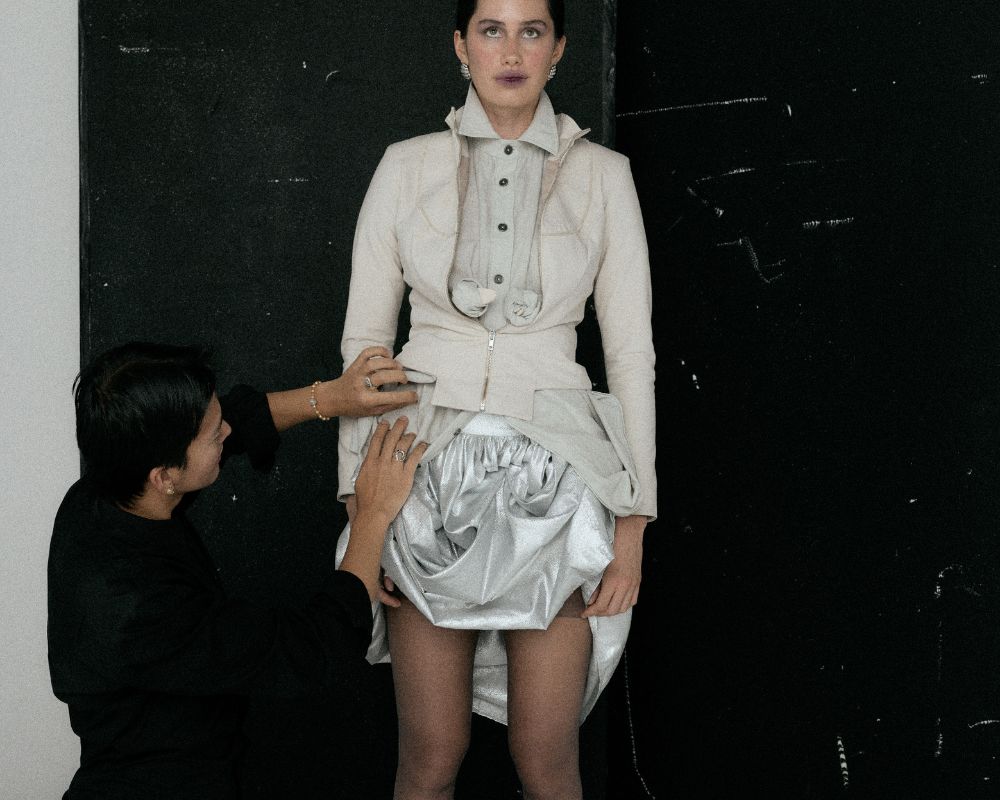
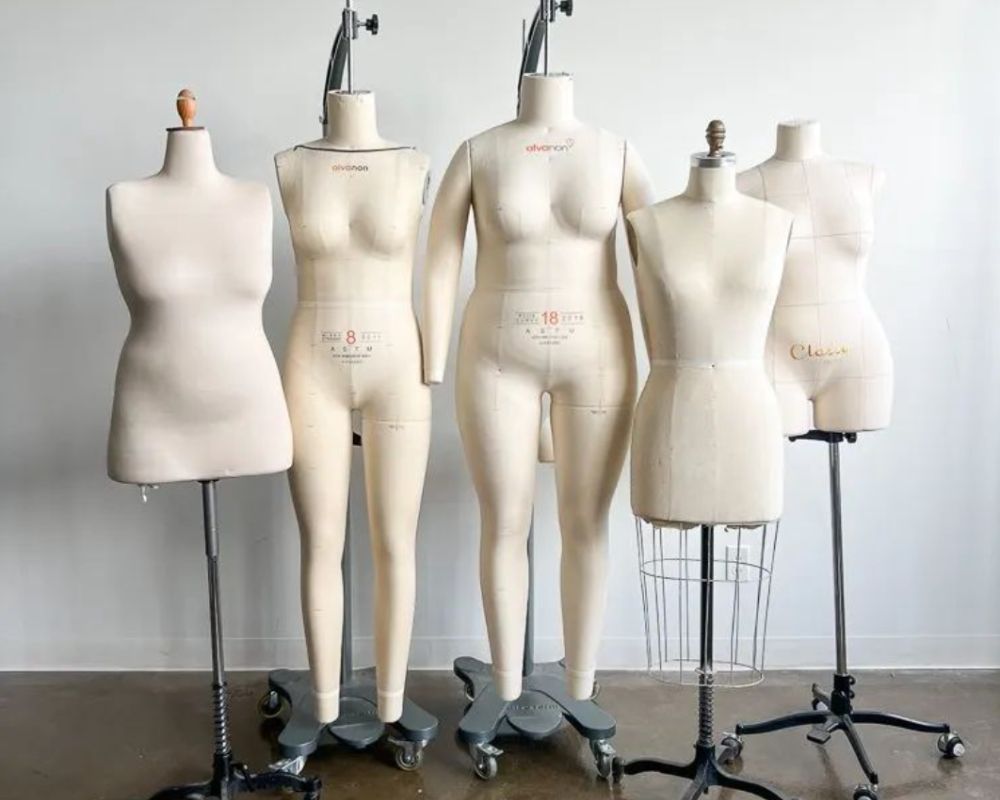
If a designer was to create ‘curve’ sizes (16-24) then a whole new block would be required, usually based on a size 20. As one can imagine, the shape of a size 20 person is very different to a size 10, so along with a new ‘block’ you also need a new fit model to get the item of clothing just right. This, too, is an added cost. Once you have the second ‘block’ in size 20, you can grade down to sizes 18 and 16, and up to sizes 22 and 24.
Bear in mind to do this you’ve just doubled your entire cost for just one item, and at the moment we’ve only factored in staff costs and 2 fit models.
When taking fabric costs into account, in order to make a broader range of sizes, you obviously need more fabric. However the amount of fabric varies, and in turn so too does the cost. Our industry expert estimates for a size 16, a basic garment (such as the plain black, one-pleat trousers we created our hypothetical ‘block’ from) might need 10-20% more fabric than a size 10, and a size 20 could require 20-40% more fabric than a size 10, depending on the width of the fabric you’re using. With some styles and fabrics (a skirt or dress using a narrower fabric) it could be closer to 60-80% more fabric used for a size 20 compared to a size 6.
All of this either makes larger sizes more expensive, or the brand has to eat a loss for larger garments (if the RRP is the same for all sizes), compared to the margin they could make on smaller sizes.
If the cost of fabric for making a size 10 is, let’s say, $100, then our industry expert estimates the fabric alone for the size 16 will cost $110 and the size 20 will cost $120. If the same rules apply to larger sizes than they do to smaller sizes, then we can also estimate that the fabric required for a size 8 could cost $95 and a size 6 could cost $90. Even if our equations are crude (and they are) this would make the fabric required for a size 20 garment 33% more expensive than the fabric required for a size 6.
Why some brands get it wrong
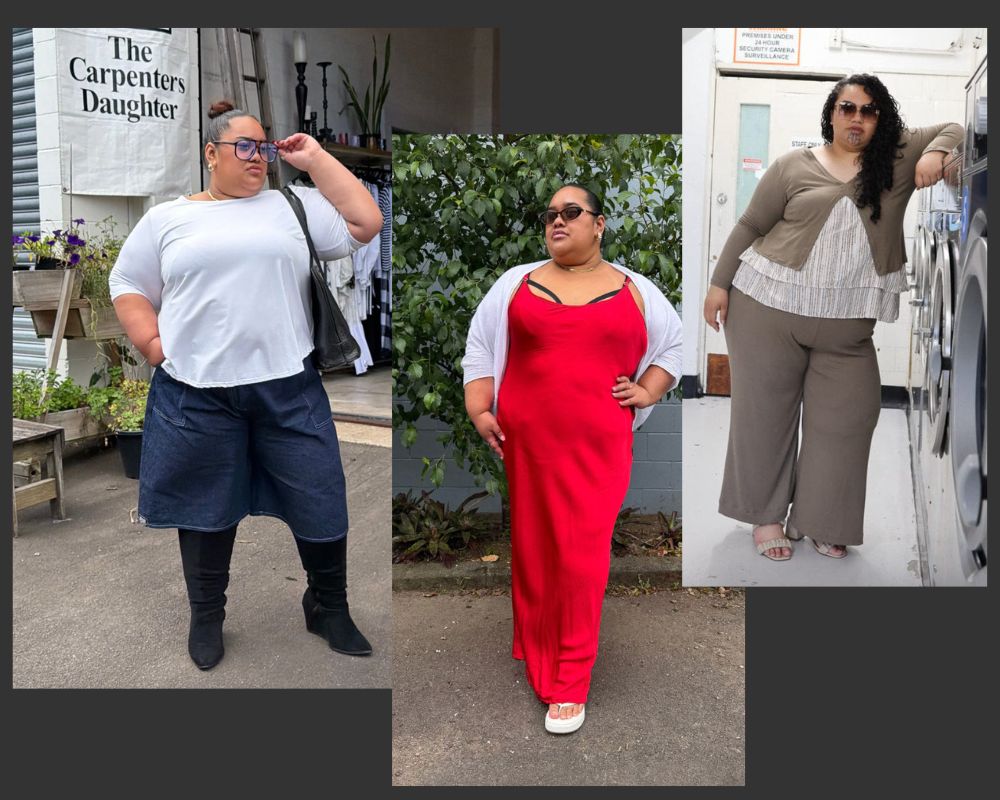
Esther Storey, patternmaker and design assistant at local plus-sized clothing label The Carpenter’s Daughter, explains why some brands fail when they try to cater to curve bodies.
“So often in the industry we see brands extend their size ranges, only for them to underperform and eventually be reduced because of poor grading,” Esther explains.
“Plus-size bodies aren’t something you can eyeball. You really have to get up close and personal with plus-size bodies in order to dress them effectively. Soft tissue is distributed uniquely on every body, and as you increase in size you notice the huge variety in this distribution.”
“The reason we’ve been able to manage and maintain a true and accurate plus-size range is through our small-scale local production,” adds Storey. “We’ve found that the larger we scale, the less flexible we can be, and flexibility is fundamental to working with fuller bodies.”
More than just size tags
While “big-box” or discount department stores such as Kmart and The Warehouse do offer extended size ranges, many shoppers looking for plus-size options are also seeking greater choice and better availability across styles. In Afterpay’s 2023 New Zealand consumer survey, more than one in three shoppers said they struggle to find clothes in their size, and 60 percent said a lack of stock means they often miss out on buying items they would otherwise purchase.
But range is only the starting point. Especially online, inclusivity also shows up in the details, like whether garments are shot on different body shapes and sizes, whether there are clear fit notes and measurements, and whether campaign imagery reflects the customers a brand is designing for. This aligns with wider expectations around representation here, too. Stuff’s NowNext research from 2022 found 86 percent of New Zealanders aspire to Aotearoa being a diverse, inclusive place where everyone feels they belong.
Back in 2018, FashioNZ contributor Meagan Kerr wrote this piece on the evolution of plus-size fashion in NZ, citing issues that some customers experienced with their fashion journey being a matter of ‘finding clothes that fit’ in the late ‘90s, to nowadays where there are far more options for plus-sized customers to express themselves through fashion.
inclusion vs reality
If there’s one thing this all makes clear, it’s that the conversation around size in New Zealand fashion is far more complex than a simple lack of willingness. The commercial realities are real, the technical challenges are significant, and for many brands – particularly smaller, local ones – the margins are already razor thin.
But complexity doesn’t cancel expectation. Shoppers have become more aware, more vocal, and more values-driven in where they spend their money. Inclusion is no longer a “nice to have”, it’s an expectation – one that sits alongside growing demands for sustainability, transparency and local production.
Right now, those expectations are colliding with the practical limits of how fashion is designed and produced in Aotearoa. And while some brands are pulling back, others are proving that with the right expertise, scale and intent, extended sizing can work.
The question isn’t just why more brands aren’t going beyond size 16 – it’s whether the industry is willing to evolve to meet the customers who are already there, waiting.
~
This piece was written by Lucy Slight, FNZ contributor, and FNZ publisher Murray Bevan.
Curious which New Zealand brands are championing plus-size fashion? Read Lucy Slight’s “Five design-led, sustainable, plus-sized New Zealand fashion brands to get on your radar” HERE
