



In an era where luxury purchases are increasingly viewed as investments, knowing what to buy – and why – has never been more important.
From collectible watches and vintage jewellery to rare handbags, certain designer pieces can hold their value remarkably well when chosen wisely.
But navigating the world of luxury collecting isn’t always straightforward. What should first-time buyers look for? Which brands and styles are gaining momentum? And if you’re ready to part with a piece, what’s the best way to sell it?
To unpack the nuances of the market, we spoke with Christine Power, Head of Fine Jewels, Watches & Luxury Accessories at Webb’s. With decades of industry expertise and a front-row seat to the auction world, Power shares her insights on everything from the enduring appeal of gold jewellery and collectible timepieces to the luxury accessories collectors are chasing right now.
Whether you’re considering your first designer investment or thinking about consigning a treasured piece, consider this your insider guide to the luxury resale market.
@webbsauctions #hermes #birkin #pov Bidding closes today (Monday 3 November, from 8pm—on our Important Jewels, Watches & Luxury Accessories online auction 👛💍✨⌚️ #nz #hermes
♬ původní zvuk – itgoesifyouletit
FNZ: For someone just starting out, what categories of designer items – whether watches, jewellery, or accessories – tend to hold their value best, and why?
CP: Interestingly, there is cross-over between all categories in terms of value retention; however, this is dependent on the specific piece.
In jewels, for instance, plain gold jewellery pieces are currently dominating, due in part to the rising gold price, with gold increasingly seen as a stable commodity that helps retain the value of money spent. Trending within this is a resurgence of traditional styles like fob bracelets, chains, and gold bangles.
In timepieces, collectible professional models from the likes of Rolex and Tudor remain extremely coveted and hard to attain in the primary market.
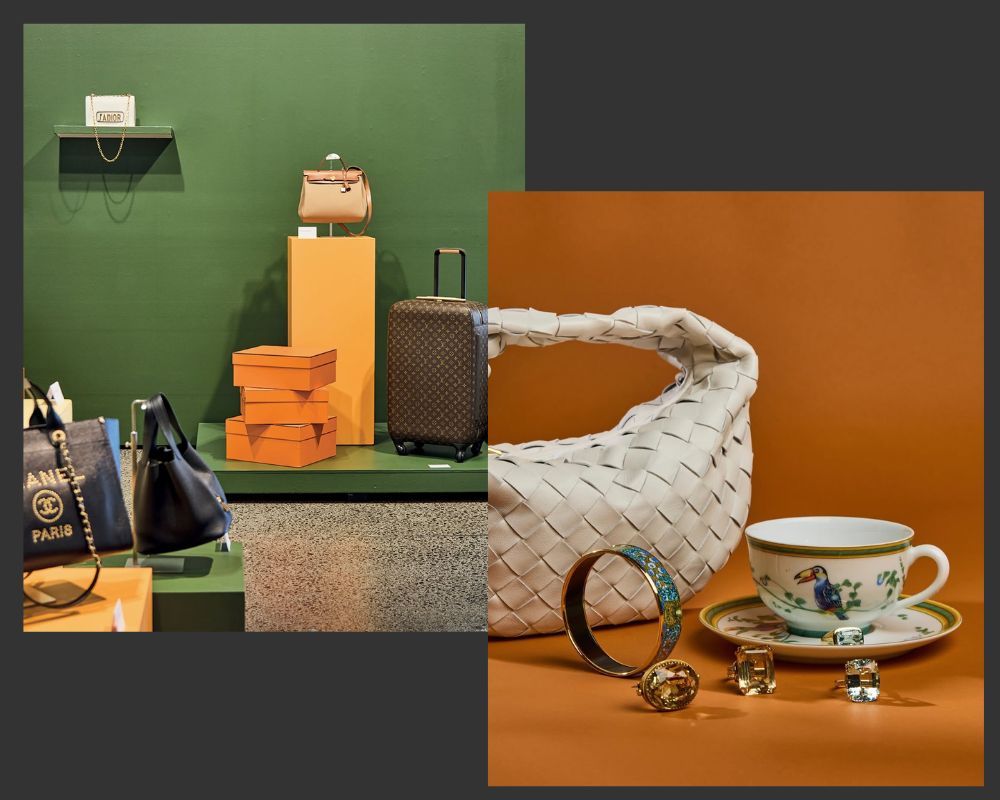
For luxury accessories, there is a definite shift towards a more refined style ethos. Prime examples of this are brands such as Loewe, Fendi, and Chloé, which favour more understated styles that are minimalist and less pronounced. The “everyday” bag is getting smaller by design, and in addition, securing a rare piece will certainly support value retention.

FNZ: What are the key things buyers should always look for when investing in a designer piece – from condition and provenance to packaging and documentation?
CP: A piece’s construction and craftsmanship plays a vital role in this. A quality piece, which may at times require more outlay, often results in greater longevity and long-term satisfaction.
For jewels, the finish and components weigh heavily, with items showing little to no wear typically proving most desirable.
Collectible timepieces and horological items of historical importance presented as a full set (i.e., box, paperwork, and original parts) are particularly significant.
In the case of luxury accessories, an item’s stamping, condition, supporting paperwork, and provenance will influence the value greatly. Webb’s prioritises the consignment of items that meet strict criteria of authenticity and condition. These parameters not only reassure a potential buyer but also strengthen our company’s position as New Zealand’s premier auction house.
@webbsauctions A look behind the scenes into our Fine Jewels, Watches & Luxury Accessories online auction photography session. View the catalogue and place your bids now. Bidding closes on Monday 26 January, from 8pm. #Hermes #louisvuitton #webbs
♬ original sound – Webb’s Auctions
FNZ: Are there common mistakes you see first-time collectors make when buying luxury items, and how can they avoid costly missteps?
CP: Generally, most bidders consider their purchase and bidding process thoroughly, and conduct their research with relevant comparables. The auction world is extremely transparent, and buyers reference our past sales history and prices achieved, along with those of international auction houses.
FNZ: How important are original boxes, papers, receipts, or certificates when it comes to resale value, and how much can these impact the final sale price?
CP: Having a complete set of documentation generally leads to a better price at auction. It is always our suggestion that vendors keep all original materials together, as often a production date or year of purchase might hold symbolic value for the buyer.
In the case of luxury accessories, for instance, having dust bags, authenticity cards, and storage boxes will often add value to an auction estimate.
Similarly, in the case of branded jewellery pieces, a complete set will typically return a better price to the vendor, as collectors often covet this.
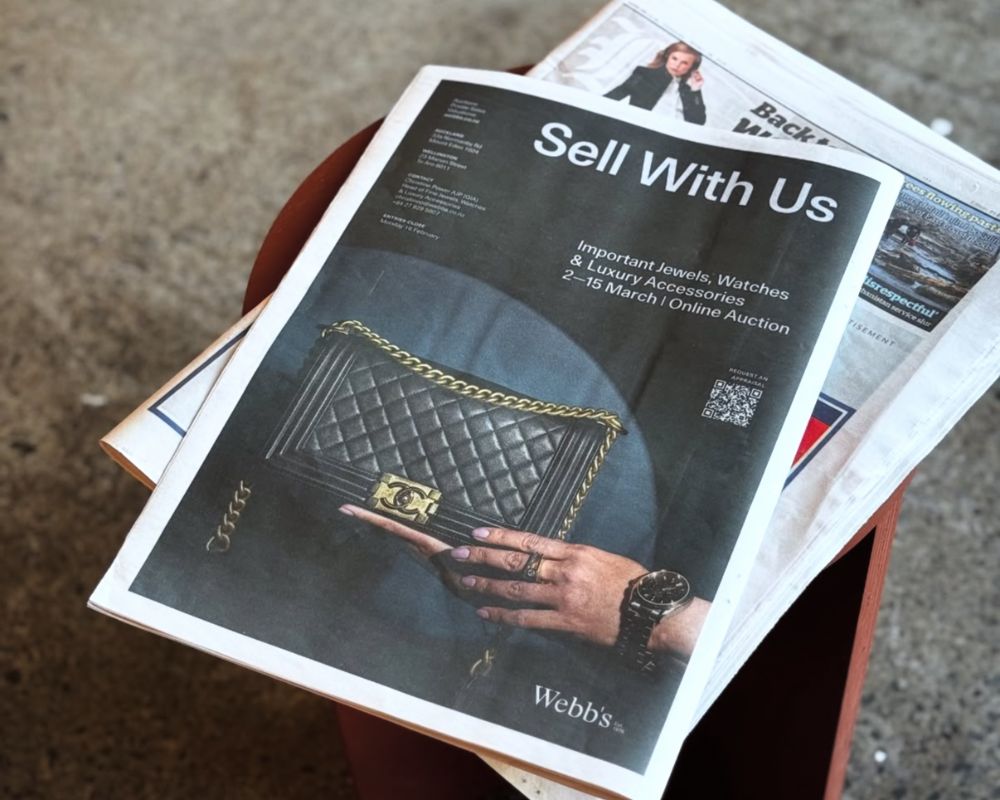
FNZ: For someone looking to sell a designer item for the first time, where should they begin – and how does the auction process compare to selling privately or through resale platforms?
CP: The first step can be to send us clear photographs, along with proof of receipt or details of the year purchased and place of purchase. Supplying any significant or relevant consignment notes is highly beneficial. Alternatively, meeting our specialists in person is always a welcome option.
From here we can assess the item carefully and advise and guide on suitability for auction. We provide an appraisal noting reserves and relevant estimates for auction. We also determine which auction the item is best suited to in order to achieve the best outcome.
We have an established viewing platform that has a very loyal local and international following, and Webb’s reputation is built on its traditional roots established 50 years ago. Our team of in-house specialists, with more than 80 years of collective experience in the global jewellery, watch, and luxury industries, brings a wealth of knowledge in presenting pieces to market alongside impeccable and discreet customer service. Auction intervals are regular, and our reputation for competitive pricing makes this a very attractive way to purchase.
FNZ: Are there specific brands, models, or types of pieces you’re seeing increased demand for right now – and do you expect those trends to continue?
CP: There is certainly a nod towards Victorian and Edwardian jewels and pieces that contain elaborate stones and exemplary workmanship.
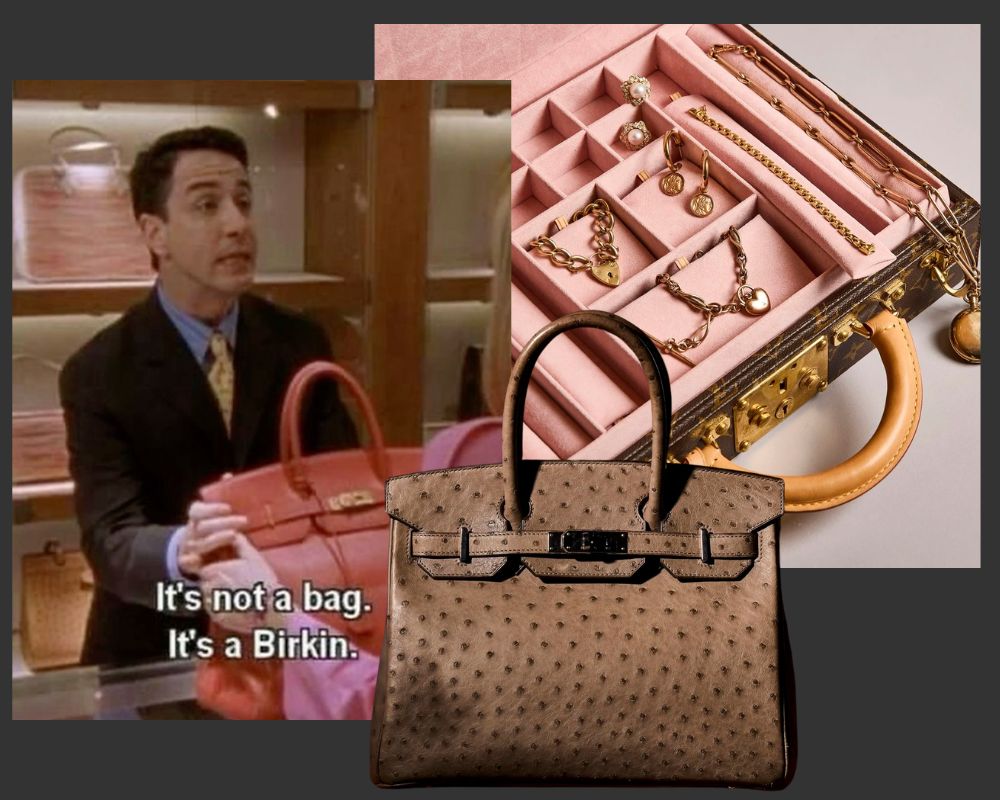
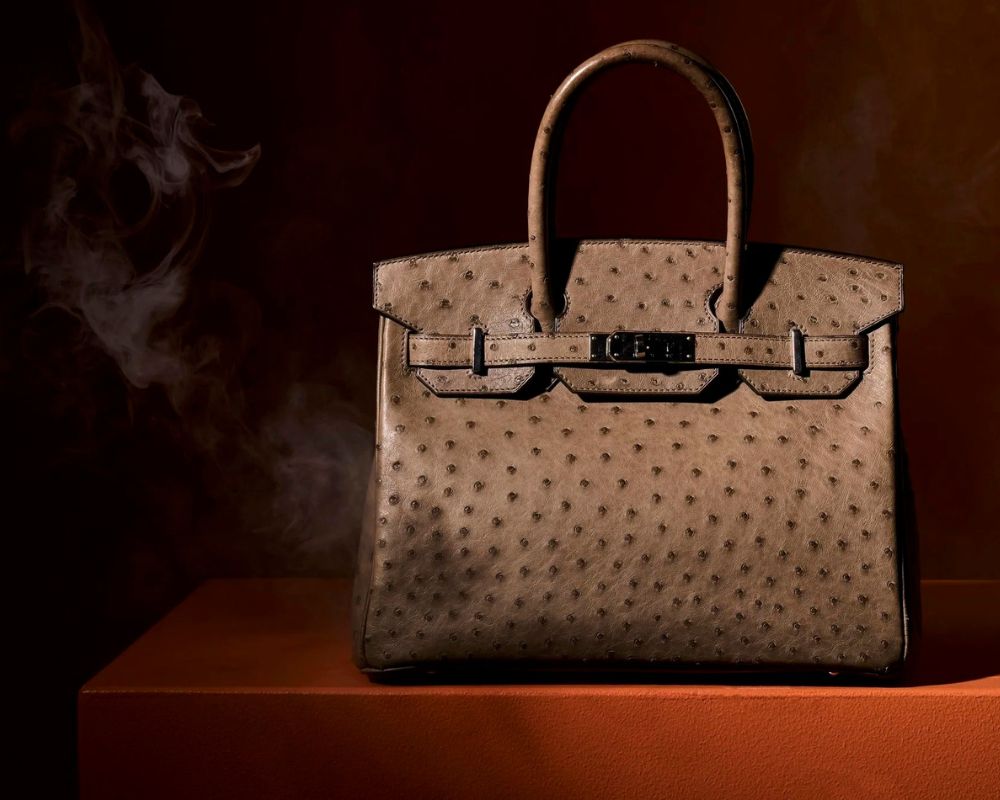
There is continued engagement in luxury accessories from international maisons produced in recent years, or pieces that are part of a limited series, such as Louis Vuitton collaborations, leather pieces from Hermès, Chanel items from the Karl Lagerfeld era, and what we refer to as a Louis Vuitton staple, such as the Louis Vuitton Speedy bag, Louis Vuitton Keepall bag, or Louis Vuitton Alma bag styles. Coveted pieces from Louis Vuitton’s Trunks, Travel & Home novelties also fare well.
Iconic timepieces such as Rolex stainless steel professional models, and timepieces with high-end complications like an annual calendar, moon phase, or world time chronograph, tend to attract many of our passionate collectors and astute investors.
