






Beauty advice online often gets repeated so many times that it starts feeling like laws.
By Jenny Jung
Water-based with water-based. Setting spray to seal everything in. Dewy everything for mature skin. But ask any working makeup artist, and the reality is much less rigid.
A lot of so-called makeup rules were built from simplified advice that made sense in one context, then got stretched into blanket truths. In reality, formula, technique, skin behaviour and desired finish matter far more than whether something fits neatly into a category.
Here are five beauty myths artists ignore all the time so you can be your own artist when doing your own makeup.

-
You cannot mix water-based and oil-based makeup
This one refuses to die, but it is far too simplified. Water-based, oil-based and silicone-based formulas can absolutely work together.
What matters more is texture, how much product is being layered, and whether each formula is compatible in movement and finish. Many modern complexion products already contain blends of water, silicones and oils, so trying to separate everything into strict categories often does not reflect how products are actually made. One of my current favourite moisturisers, the Aesop Seeking Silence Facial Hydrator, is a good example. It combines water and oils in a lightweight gel-cream texture that sits beautifully under makeup because it hydrates without leaving too much slip.
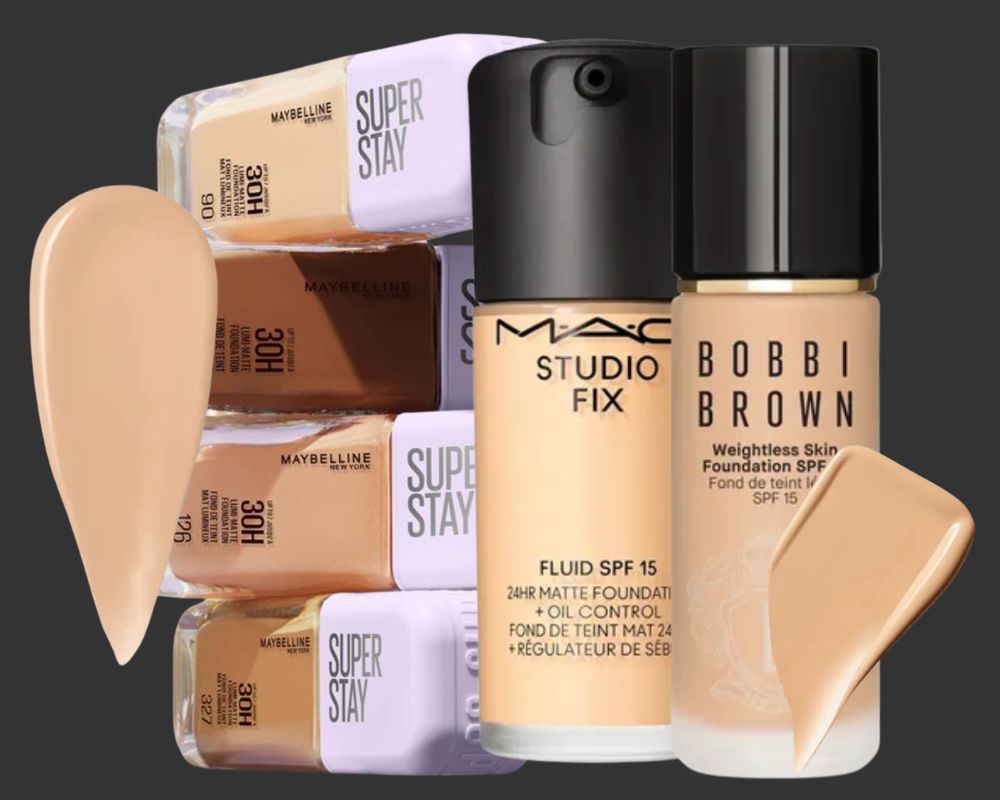
The same applies to foundation. You would be surprised how many formulas do not sit neatly under one base category. Bobbi Brown Weightless Skin Foundation, M·A·C Studio Fix Fluid and the Maybelline Super Stay Lumi-Matte Foundation all rely on a balance of water, silicones and emollients to create a finish that can only be due to this blend.
A lightweight oil-containing base can sit beautifully under a water-based foundation when applied with restraint. Problems usually happen when there is too much product, poor prep or formulas competing in thickness rather than because one ingredient category is automatically incompatible with another.
-
Eye products belong on eyes and lip products belong on lips
Artists break this rule constantly.
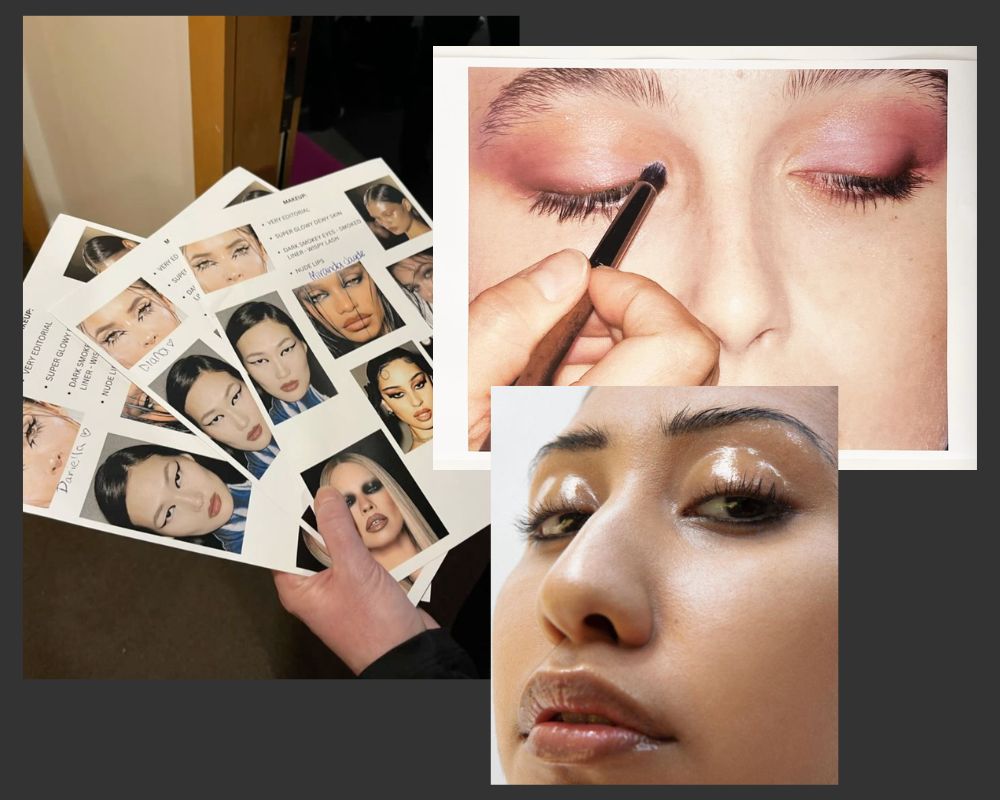
Some cream eyeshadows outperform traditional lipliners for longevity. Certain lip colours make incredible cream blushes. Brow products are often softened into contour or eyeliner. Highlighter can be mixed into body makeup – the possibilities are quite literally endless.
The real question is not what category a product belongs to, but whether the formula works where you need it. I even love using cream eyeshadow beneath concealer on breakouts because the texture often grips the skin better than complexion products alone and creates a far more reliable base over difficult areas. Many of the best makeup results come from understanding texture rather than following packaging instructions too literally.
-
Setting spray belongs only at the end
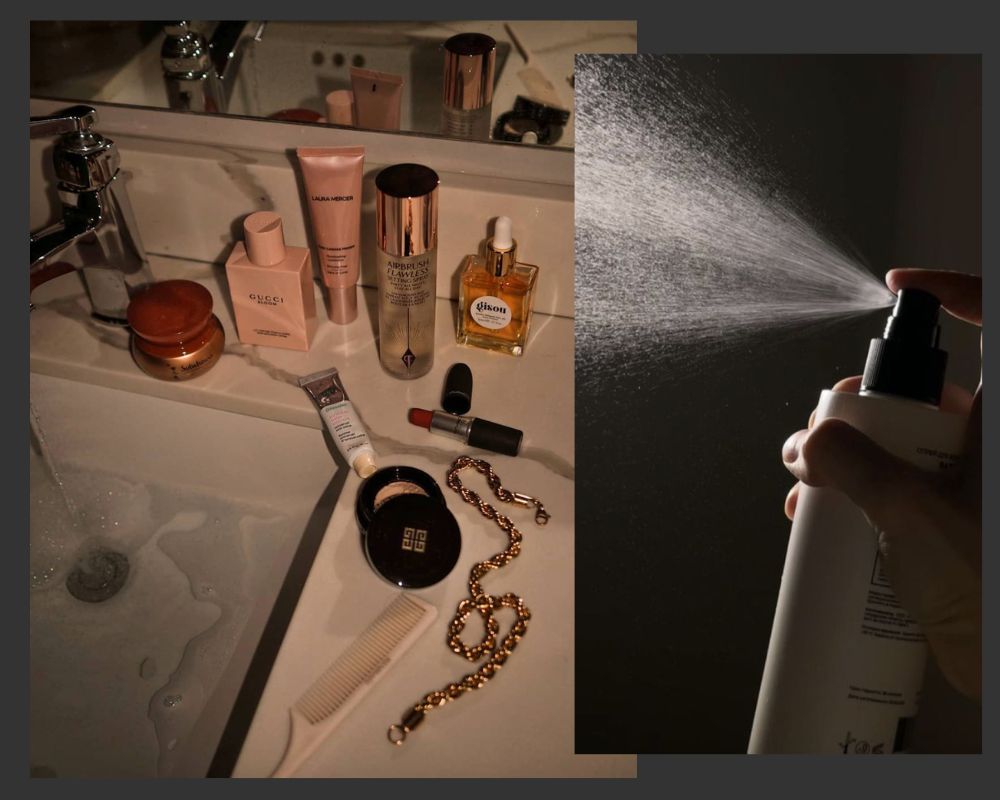
Next time you do your makeup, try layering your setting spray between complexion stages to improve longevity, soften powdery finishes and help products melt together more naturally. A light mist after foundation, another after powder and again after blush or bronzer often creates a far more durable result than one final spray alone.
Used strategically, it becomes less of a final step and more of a tool throughout the makeup process!
-
Mature skin should always use dewy products
While glow can be beautiful, overly emollient products often move around more, settle faster and require more correction later. A dewy, hydrating concealer placed directly over areas with texture and fine lines can easily lead to a creasy, patchy finish by the end of the day. If you have mature skin, a more matte, silky formula applied in very thin layers to the areas that need the most attention can make a huge difference.
The key is choosing refined matte textures rather than flat, drying ones. A soft matte foundation or concealer can often create a smoother result than something overly radiant. It’s less about chasing dew and more about controlling where light sits on the face.
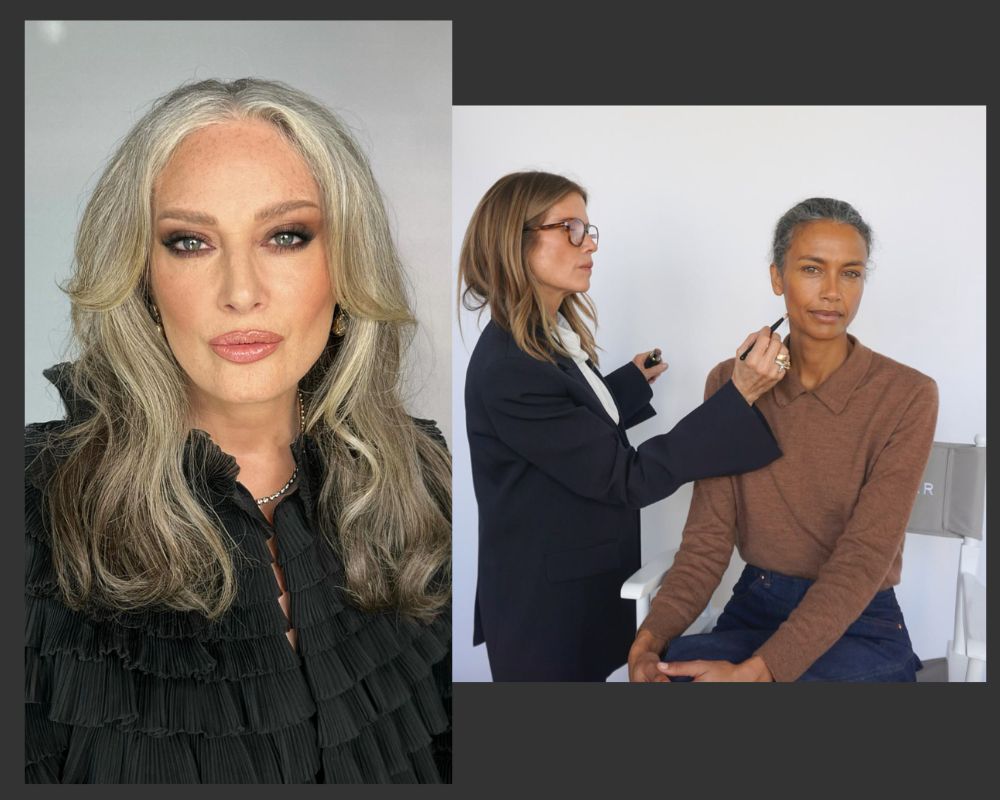
That said, dewy products still absolutely have their place and should never be written off completely. After working with many beautiful mature women, I have found that one of the most flattering combinations is a hydrated, luminous base paired with a more matte concealer in areas with greater texture or expression lines. That contrast helps minimise creasing because very emollient products are often the first to slip, move and settle into fine lines throughout the day. Plus, this means you don’t need to use as much powder which often clashes with more mature skin types.
-
You must wait for skincare to fully sink in before makeup
Sometimes yes, sometimes absolutely not.
The idea that skincare must fully skin in before you begin your makeup depends entirely on what has been applied. Some formulas work best while still slightly fresh, especially hydrating serums or lighter moisturisers that help foundation spread more evenly. Waiting too long can sometimes make skin feel tackier or less workable, depending on the product.
What matters is whether the skincare and makeup formulas are cooperating. If the base feels balanced, makeup can often begin almost immediately!
